As a supplier of cylinder printers, I’ve encountered numerous queries from clients regarding the distinctions between domestic and industrial cylinder printers. In this blog post, I’ll delve into the key differences, help you understand which type suits your needs, and guide you on making an informed purchasing decision. Cylinder Printer

Design and Build
One of the most noticeable differences between domestic and industrial cylinder printers lies in their design and build. Domestic cylinder printers are typically compact and lightweight, designed to fit easily into a home or small – office environment. They are often crafted with a focus on aesthetics, featuring sleek and modern designs that blend well with home decor. The materials used in their construction are usually lighter and less robust, aiming for cost – effectiveness and home – friendliness.
On the other hand, industrial cylinder printers are behemoths in comparison. They are built to withstand the rigors of continuous, heavy – duty use. The frames are made of thick, high – strength steel to provide stability during high – speed printing operations. Industrial printers are also designed with easy access to components for maintenance and quick troubleshooting, as minimizing downtime is crucial in an industrial setting. Their large size allows for the integration of more advanced features and the handling of larger printing materials.
Printing Speed and Volume
Printing speed and volume are significant differentiators. Domestic cylinder printers are designed for occasional use, such as printing family photos, small crafts, or personal documents. They have relatively slow printing speeds, typically ranging from a few prints per minute to around 10 – 15 prints per minute, depending on the model and the complexity of the print job. Their paper capacity is also limited, usually holding a few hundred sheets at most.
Industrial cylinder printers, on the contrary, are engineered for high – volume production. They can churn out hundreds or even thousands of prints per hour. These printers can handle large – scale printing projects with ease, whether it’s printing labels for products in a factory or mass – producing promotional materials. Their paper handling systems are designed to hold large quantities of paper, and they often feature automatic paper feeding mechanisms to ensure seamless printing operations.
Print Quality
When it comes to print quality, both domestic and industrial cylinder printers have their strengths, but they cater to different needs. Domestic printers are optimized for producing high – quality prints on small – sized materials, such as photos and brochures. They often use high – resolution print heads and advanced ink technologies to achieve sharp and vivid colors, making them ideal for personal and artistic endeavors.
Industrial cylinder printers prioritize consistency and durability over the highest possible resolution. They are capable of producing consistent print quality across large volumes of materials. While their print resolution may not be as high as some top – of – the – line domestic printers, industrial printers can handle a wider range of printing materials, including rough and textured surfaces. They use industrial – grade inks that are resistant to fading, smudging, and abrasion, ensuring that the prints remain clear and intact even in harsh working environments.
Functionality and Features
Domestic cylinder printers are loaded with user – friendly features that appeal to home users. They usually come with simple control panels that can be easily operated by anyone, even those with limited technical knowledge. Many domestic printers also support Wi – Fi and mobile printing, allowing users to print directly from their smartphones or tablets. Software features often include basic photo editing tools and templates to enhance the creativity of home printing projects.
Industrial cylinder printers, meanwhile, are equipped with advanced functionality to meet the complex requirements of industrial applications. They may have programmable settings for different printing parameters, such as print speed, ink density, and dot size. Some industrial printers also support variable data printing, allowing different information to be printed on each item in a batch, which is useful for applications like barcode printing and personalized packaging. Additionally, they can integrate with other industrial systems, such as conveyor belts and inventory management software, for seamless production processes.
Cost and Maintenance
Cost is an important factor when comparing domestic and industrial cylinder printers. Domestic printers are relatively inexpensive, with prices ranging from a few hundred to a couple of thousand dollars. They are accessible to the average consumer, making them a popular choice for home use. However, the cost of consumables, such as ink cartridges, can add up over time.
Industrial cylinder printers come with a hefty price tag, often costing tens of thousands or even hundreds of thousands of dollars, depending on their capabilities and features. The high initial investment is justified by their high – volume production capacity and long – term durability. Maintenance costs for industrial printers are also significant, as they require regular servicing by trained technicians. However, the cost per print is generally lower in the long run, especially for large – scale printing operations.
Suitability for Different Applications
Domestic cylinder printers are ideal for home users, hobbyists, and small businesses with limited printing needs. They are perfect for printing family photos, creating custom greeting cards, or producing small – scale promotional materials for a local event. Their ease of use and relatively low cost make them a practical choice for personal and small – scale creative projects.
Industrial cylinder printers are the go – to choice for companies involved in large – scale manufacturing, packaging, and advertising. They are used in industries such as food and beverage, pharmaceuticals, and consumer goods to print labels, packaging materials, and product information. The high – speed production, durability, and advanced features of industrial printers make them indispensable for meeting the high – volume demands of commercial printing.
Conclusion
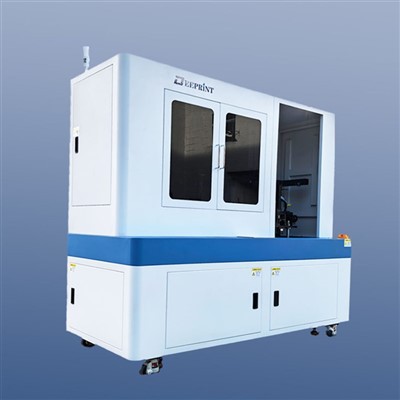
In summary, the differences between domestic and industrial cylinder printers are vast, encompassing design, speed, quality, functionality, cost, and application. As a cylinder printer supplier, I understand that choosing the right printer is crucial for achieving your printing goals. If you’re a home user or running a small – scale business with occasional printing needs, a domestic cylinder printer might be the best fit. On the other hand, if you’re involved in large – volume production and require high – performance printing, an industrial cylinder printer is the obvious choice.
UV Inkjet Flatbed Printing Machine If you’re in the market for a cylinder printer and need guidance on selecting the right type for your specific requirements, I’m here to help. Our team of experts can provide detailed information, answer your questions, and assist you in making an informed purchasing decision. Whether you’re just starting out or looking to upgrade your existing printing equipment, we can offer customized solutions to meet your needs. Reach out to us to discuss your printing needs further and let’s explore the best cylinder printer options together.
References
- "Printers: Understanding the Basics" – Printing Industry Magazine
- "Industrial Printing Technologies: A Comprehensive Guide" – Wiley Publishing
- Manufacturer specifications for various domestic and industrial cylinder printers
Shenzhen Deeprint Technology Co., Ltd.
As one of the most professional cylinder printer manufacturers and suppliers in China, we’re featured by quality products and good service. Please rest assured to buy customized cylinder printer made in China here from our factory. Contact us for free sample.
Address: 6-1, Huangwu Road, Tongle Community, Baolong Street, Longgang District, Shenzhen City 518100,China.
E-mail: ellen@uvdprint.com
WebSite: https://www.uvd-print.com/
