As a supplier in the Hybrid SUV market, I’ve witnessed firsthand the remarkable evolution and diversification of these vehicles. Hybrid SUVs have emerged as a popular choice for consumers seeking a balance between fuel efficiency, performance, and the practicality of an SUV. In this blog, I’ll explore the different types of Hybrid SUVs, including mild hybrids, full hybrids, and plug – in hybrids, and discuss their unique features, benefits, and market trends. Hybrid SUV

Mild Hybrid SUVs
Mild hybrid technology represents a relatively simple yet effective approach to improving fuel efficiency in SUVs. Unlike full hybrids, mild hybrids cannot operate solely on electric power. Instead, they use a small electric motor and a battery to assist the internal combustion engine (ICE) during acceleration, deceleration, and cruising.
One of the key components of a mild hybrid system is the belt – integrated starter – generator (BISG). This device is connected to the engine’s crankshaft via a belt and can perform multiple functions. When the vehicle is accelerating, the BISG provides additional torque to the engine, reducing the load on the ICE and improving fuel economy. During deceleration, the BISG acts as a generator, converting kinetic energy into electrical energy and storing it in the battery for later use.
Mild hybrid SUVs offer several advantages. Firstly, they are more affordable to produce compared to full hybrids or plug – in hybrids. This cost – effectiveness often translates into a lower purchase price for consumers, making them an attractive option for budget – conscious buyers. Secondly, the mild hybrid system is relatively simple and does not require significant modifications to the existing ICE architecture. This means that manufacturers can easily integrate mild hybrid technology into their existing SUV models, reducing development time and costs.
However, mild hybrid SUVs also have some limitations. Since they cannot operate on electric power alone, their fuel – saving potential is relatively limited compared to full hybrids and plug – in hybrids. They are best suited for urban driving conditions where the stop – and – go traffic allows the mild hybrid system to recover energy during braking and use it to assist the engine during acceleration.
Full Hybrid SUVs
Full hybrid SUVs, also known as parallel hybrids, are capable of operating on electric power, gasoline power, or a combination of both. These vehicles use a larger electric motor and battery pack compared to mild hybrids, allowing them to drive short distances on electric power alone at low speeds.
The powertrain of a full hybrid SUV consists of an ICE, an electric motor, a battery pack, and a power split device. The power split device allows the engine and the electric motor to work together or independently, depending on the driving conditions. For example, when the vehicle is starting from a stop or driving at low speeds, the electric motor provides the power, resulting in zero emissions. When more power is required, such as during acceleration or high – speed driving, the ICE kicks in and works in conjunction with the electric motor.
One of the main benefits of full hybrid SUVs is their improved fuel efficiency. By using the electric motor to assist the engine and by recovering energy during braking, full hybrids can achieve significantly better fuel economy than traditional ICE SUVs. They also produce fewer emissions, making them more environmentally friendly.
Another advantage of full hybrid SUVs is their seamless driving experience. The transition between the electric motor and the ICE is smooth and almost imperceptible to the driver. This means that consumers do not have to sacrifice performance or comfort for the sake of fuel efficiency.
However, full hybrid SUVs are generally more expensive than mild hybrid SUVs due to the larger battery pack and more complex powertrain. Additionally, the battery pack takes up some cargo space in the SUV, which may be a drawback for some consumers who need maximum storage capacity.
Plug – in Hybrid SUVs
Plug – in hybrid SUVs (PHEVs) represent the next step in the evolution of hybrid technology. These vehicles have a larger battery pack than full hybrids, allowing them to drive longer distances on electric power alone. PHEVs can be charged by plugging them into an external power source, such as a household outlet or a public charging station.
The powertrain of a PHEV is similar to that of a full hybrid, but with a larger battery capacity. When the battery is fully charged, the PHEV can operate on electric power for a significant distance, typically ranging from 20 to 50 miles depending on the model. Once the battery is depleted, the ICE takes over, providing the power to continue driving.
One of the major advantages of PHEVs is their flexibility. They offer the best of both worlds: the ability to drive on electric power for short commutes and local errands, and the range of a traditional ICE vehicle for longer trips. This makes them ideal for consumers who want to reduce their carbon footprint but still need the flexibility to travel long distances.
In addition, PHEVs can save consumers a significant amount of money on fuel costs. Since they can be charged at home or at work, many PHEV owners can complete their daily commutes without using any gasoline. Furthermore, some governments offer incentives such as tax credits and rebates for purchasing PHEVs, making them even more affordable.
However, PHEVs also have some challenges. The charging infrastructure for PHEVs is still relatively limited in some areas, which may make it difficult for consumers to find a convenient place to charge their vehicles. Additionally, the charging process can take several hours, depending on the charging method and the battery size.
Market Trends and Consumer Demand
The market for Hybrid SUVs has been growing steadily in recent years, driven by increasing consumer demand for more fuel – efficient and environmentally friendly vehicles. As concerns about climate change and air pollution continue to rise, more and more consumers are looking for ways to reduce their carbon footprint without sacrificing the practicality and performance of an SUV.
Mild hybrid SUVs are expected to remain popular in the short – to – medium term, especially in markets where cost is a major factor. Their affordability and ease of integration into existing models make them an attractive option for both manufacturers and consumers.
Full hybrid SUVs are also likely to see continued growth, especially as technology improves and costs come down. The combination of fuel efficiency, performance, and a seamless driving experience makes them a compelling choice for many consumers.
Plug – in hybrid SUVs are poised for significant growth in the coming years. As the charging infrastructure expands and battery technology improves, PHEVs will become an even more attractive option for consumers. The ability to drive on electric power for a significant distance and then switch to gasoline power for longer trips offers the best of both worlds.
Conclusion
In conclusion, the different types of Hybrid SUVs each have their own unique features, benefits, and limitations. Mild hybrid SUVs are a cost – effective option that offers some fuel savings, while full hybrid SUVs provide a balance between fuel efficiency and performance. Plug – in hybrid SUVs offer the most flexibility and the potential for significant fuel savings and emissions reduction.
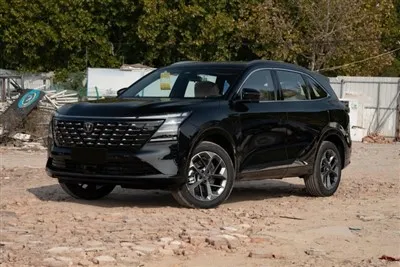
As a supplier of Hybrid SUVs, I am committed to providing high – quality vehicles that meet the diverse needs of consumers. Whether you are looking for an affordable option with some fuel savings or a more advanced vehicle that can drive on electric power for longer distances, we have a Hybrid SUV to suit your needs.
Extended Range SEDAN If you are interested in learning more about our Hybrid SUVs or are considering a purchase, I encourage you to contact us to discuss your specific requirements. Our team of experts is ready to help you find the perfect Hybrid SUV for your lifestyle and budget.
References
- SAE International. Hybrid and Electric Vehicle Technologies Handbook.
- International Energy Agency. Global EV Outlook.
- Consumer Reports. Hybrid and Electric Vehicle Reviews.
Wenzhou Haorong Automobile Sales And Service Co., Ltd.
Wenzhou Haorong Automobile Sales And Service Co., Ltd. is well-known as one of the leading hybrid suv manufacturers and suppliers in China. Please feel free to wholesale discount hybrid suv in stock here from our factory. For quotation, contact us now.
Address: No. 1940, Wenzhou Avenue, Nanjiao Street, Lucheng District, Wenzhou City, Zhejiang Province
E-mail: lynn@hrautomobile.cn
WebSite: https://www.autohaorong.com/
