As a rain jacket supplier, one of the most common questions I hear from customers—whether they’re outdoor enthusiasts, commuters, or event organizers—isn’t just “which jacket should I buy” or “what’s the best waterproof rating.” It’s: “How long will my rain jacket actually last?” It’s a question that matters, too, because a high-quality rain jacket isn’t just a piece of gear; it’s an investment. I’ve seen customers drop hundreds of dollars on a jacket, only to come back a year later frustrated because it’s leaking, feeling heavy, or leaving them soaked through. And I get it—no one wants to shell out for something that stops working right when they need it most. Rain Jacket

The truth is, there’s no one-size-fits-all answer here. A rain jacket’s lifespan depends on a lot more than just the brand or the price tag. It’s about how you use it, how you care for it, and even the materials it’s made from. Let’s break this down, because understanding the “why” behind a jacket’s wear will help you get the most out of yours—whether you’re an avid hiker, a city dweller caught in sudden downpours, or someone who wears a rain jacket only a few times a year.
First, let’s talk materials, because that’s the foundation of durability. At our company, we use two primary types of materials for rain jackets: laminated membranes and coated fabrics. Laminated membranes, like Gore-Tex or the proprietary fabrics we develop in-house, are built by fusing a thin, breathable membrane to a outer shell fabric. The membrane has tiny pores that let water vapor (sweat) escape but block liquid water from getting in. Coated fabrics, on the other hand, have a polyurethane (PU) or polyvinyl chloride (PVC) layer applied directly to the inner side of the outer fabric, creating a waterproof barrier.
Each material ages differently. Laminated membranes, when cared for properly, can last 5 to 10 years. I’ve seen some of our older jackets in our demo program that are still going strong after 8 years, even with regular use on backcountry hikes and multi-day trips. The key here is that the membrane is protected by the outer shell fabric, which shields it from abrasion, UV rays, and harsh detergents. Coated fabrics, though, tend to have a shorter lifespan—usually 2 to 5 years. The coating can break down over time, especially with frequent washing, exposure to harsh sunlight, or contact with rough surfaces like tree branches or backpack straps. That’s not to say coated fabrics are bad; they’re often more affordable and sufficient for light use, like commuting on a bike or occasional use at outdoor events. But if you’re a hardcore outdoors person who puts their jacket through daily abuse, a laminated membrane is going to hold up longer.
Next, how you use your jacket has a massive impact. Let’s take two customers: Sarah, a weekend hiker who wears her jacket on 10 trips a year, mostly in moderate rain, and Mike, a park ranger who wears his jacket every single day, often in heavy rain, while climbing over brush, carrying heavy gear, and setting up tents in harsh conditions. Sarah’s jacket might last 8 years. Mike’s? Maybe 3 to 4 years. The difference is frequency and intensity of use.
Abrasion is one of the biggest killers of rain jackets. The outer shell fabric can get rubbed raw by backpack straps, belt buckles, tree branches, or even the corner of a car door. Over time, that abrasion can wear through the outer fabric and expose the membrane or coating, leading to leaks. UV exposure is another silent culprit. If you leave your jacket hanging on a hook outside all summer, or store it in a sunny garage, the sun’s rays break down the synthetic fabrics—weakening the outer shell and the waterproof membrane. I’ve had customers send jackets back that look brand new on the outside but have a membrane that’s brittle and cracked because they left it on a porch for a few years.
Then there’s washing. Too much washing, or using the wrong products, can accelerate wear. I know a lot of people treat rain jackets like regular clothing, tossing them in the washing machine with detergent and fabric softener every time they get a little damp. But fabric softener and regular detergents coat the membrane, clogging those tiny pores and ruining breathability. They can also break down the outer shell’s water-repellent (DWR) finish, which is what makes water bead up and roll off instead of soaking into the fabric. Most experts recommend washing a rain jacket only when it’s visibly dirty or stops beading water, and using a tech-specific detergent like Nikwax Tech Wash or Grangers Clothing Wash. Even better, when you do wash it, skip the fabric softener and use a gentle cycle with cold water, then line dry it (or tumble dry on low heat) to reactivate the DWR finish. Dryer heat helps the DWR coating re-melt and stick back to the fabric, which is a quick fix for water-beading issues. If you machine dry on high, though, you can shrink the fabric or damage the membrane, so stick to low.
Repairs also extend a jacket’s life. A lot of people write off a jacket if it develops a small tear, a seam that’s come undone, or a spot where the DWR is gone. But most of these issues are fixable. We offer repair services for our jackets, and I’ve seen customers patch a small abrasion on the sleeve, re-sew a loose seam, or re-apply DWR, and get another 2 to 3 years of use out of a jacket that was about to be thrown away. Some outdoor brands also sell repair kits with tape or sealant, which is a quick fix for small leaks on trips. The biggest mistake people make here is assuming a jacket is beyond repair—most issues are minor and don’t require replacing the whole thing.
Now, let’s talk about common myths that people believe about rain jacket lifespan. One big one is that a jacket’s waterproof rating (like 10,000 mm or 20,000 mm) directly correlates to how long it lasts. That’s not true. The waterproof rating measures how much pressure (water depth) the jacket can withstand before leaking, not its durability. A jacket with a 20,000 mm rating might be made with a thin, fragile coated fabric that falls apart in a year, while a 10,000 mm jacket with a laminated membrane could last a decade. The rating is about performance, not lifespan.
Another myth is that you can “ruin” a rain jacket by using it in light rain. No—rain jackets are designed to handle light rain. The problem isn’t the rain itself, it’s how you care for the jacket after. If you wear it in a light drizzle, hang it up to dry, and store it properly, that’s no different than wearing it in a downpour. The issue comes when you leave it damp in a stuffy backpack for days, or wash it with harsh chemicals, or leave it in the sun.
What about when a jacket is “too heavy” or less breathable? That’s not necessarily a sign it’s at the end of its life. Over time, some membranes can start to lose breathability as they get coated with dirt or as the DWR wears off. That’s a fixable issue—wash it with tech detergent, re-apply DWR, and it’ll be as good as new. The only time a jacket is truly at the end of its life is when the membrane is cracked, the coating is peeling off in large patches, or the outer shell is so abraded that there are holes you can see through.
As a supplier, I’ve seen firsthand how much difference proper care makes. Last year, we had a customer who bought a jacket from us in 2015. He sent it back last month, saying it was leaking, and asked if we could repair it. When we inspected it, it was in almost perfect condition. The only issue was the DWR finish had worn off, and there was a small tear on the pocket he’d neglected to sew up after a hiking trip. We re-applied DWR, patched the tear, and sent it back. He told us later that it worked like new, and he’s planning to keep it another 3 years. That’s not an uncommon story. I’ve had customers contact us saying their 7- or 8-year-old jacket is still going strong, as long as they follow the care instructions.
On the flip side, I’ve also had customers who bought a new jacket, wore it 20 times, and came back complaining it was leaking. When we asked about their care routine, they said they wash it every month with regular detergent, dry it on high heat in the dryer, and leave it in their hot garage during the summer. That jacket was dead within a year, not because of a defect, but because of misuse.
So, what’s the average rain jacket lifespan, based on all this? If you own a high-quality laminated membrane jacket, use it regularly for outdoor activities, and follow proper care (wash only when needed, use tech detergent, re-apply DWR, store properly), you can expect 5 to 10 years of use. If you use it for commuting or light, occasional use, it might last even longer. Coated fabric jackets, on the other hand, typically last 2 to 5 years, even with good care, because the coating breaks down faster.
There are a few things you can do to maximize your jacket’s lifespan, no matter the material. First, read the care label. It’s not just a suggestion—it’s a guide from the manufacturer on how to keep your jacket working. Second, avoid overwashing. Only wash it when water stops beading, or when it’s visibly dirty. Third, store it in a cool, dry place, not a sunny garage or a stuffy closet. Fourth, repair small issues immediately—don’t wait until a tiny tear turns into a big hole. Fifth, re-apply DWR regularly (every 1 to 2 years, depending on use) to keep water rolling off.
If you’re in the market for a new rain jacket, or you’re looking to replace one that’s reached the end of its life, remember that a longer lifespan doesn’t always mean a higher price. A mid-range laminated jacket might cost a little more upfront, but if it lasts twice as long as a cheap coated jacket, it’s a better investment in the long run. And as a supplier, we’re here to help you pick the right jacket for your needs, whether you’re a weekend hiker, a daily commuter, or someone who needs a jacket for work.
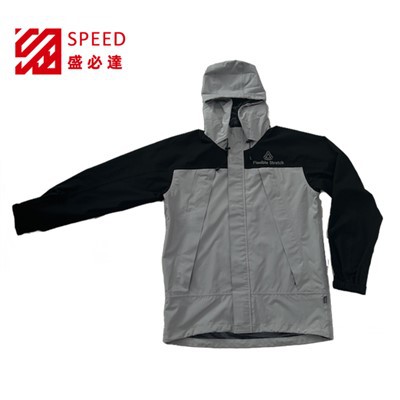
We also offer support for repair and maintenance, because we believe that a good jacket should last, and we want to help you get the most out of your gear. If you’re looking for a durable rain jacket that’s built to withstand years of use, or you have questions about how to care for the one you already own, don’t hesitate to reach out for a procurement consultation. We can talk through your needs, share care tips, and make sure you get a jacket that works for you.
Motorcycle Rain Jacket and Pants References:
- Outdoor Industry Association. (2022). Gear Care and Longevity Report: Waterproof Outerwear.
- Gore-Tex Brand. (2021). Membrane Durability and Care Guidelines for Rainwear.
- Grangers Ltd. (2020). Technical Care Handbook for Waterproof Outdoor Apparel.
- International Organization for Standardization (ISO). (2019). ISO 13688:2019 – Clothing for protection against rain – Requirements and test methods.
Huizhou Shengbida Technology Co., Ltd.
We are one of the most professional rain jacket manufacturers and suppliers in China, specialized in providing high quality customized service. Please feel free to buy cheap rain jacket for sale here and get free sample from our factory. For price consultation, contact us.
Address: No.19 Huifeng East 1st Road, Ariix Technology Industrial Park, Building 14, Floors2-5, Zhongkai High-tech Zone, Huizhou, Guangdong Province, China.
E-mail: y312029540@gmail.com
WebSite: https://www.shengbidatech.com/
