Hey everyone, and welcome back to the blog! If you’re a parent (or soon-to-be parent) like me, you know how nerve-wracking it can be to make sure your car seat is installed correctly. I’ve been in the car seat parts game for over 8 years now, and let me tell you—most people don’t realize it’s not just the seat itself that keeps your kid safe. A lot of the time, the small, easy-to-overlook parts are the difference between a secure install and something that could go wrong in a crash. Today, I’m breaking down exactly what parts you actually need for proper car seat installation, straight from the supplier side. No fluff, no fancy jargon—just real talk about the stuff that matters. Car Seat Parts
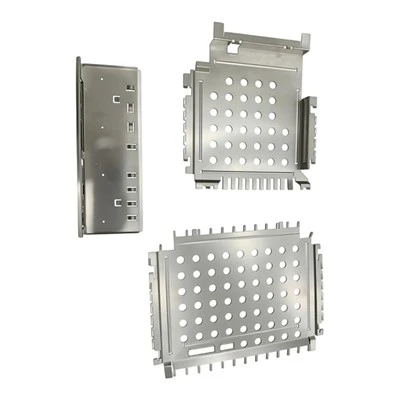
First off, let’s get one thing straight: I’ve seen so many people buy a top-of-the-range convertible car seat, haul it home, and then skip a few parts because they think “it should come with everything.” Newsflash: sometimes it does, sometimes it doesn’t. And even if it does, sometimes those parts wear out after a few years, get lost during a move, or you need spares for a second car. That’s where my shop comes in—we stock every single part you could possibly need, and we’re here to make sure you don’t miss a piece.
Let’s start with the two main installation systems, because that’s where most parts tie into. There’s LATCH (Lower Anchors and Tethers for Children) and the seat belt method. Most cars made after 2002 have both, but let’s go through each set of parts one by one.
Starting with LATCH parts, because that’s what a lot of people reach for first. The core of LATCH is the lower anchors, right? Those are the metal hooks tucked into the gap between your car’s backseat cushion and seatback. Wait, but those anchors don’t work on their own—you need the LATCH connectors that attach to the car seat. A lot of seats come with these, but they’re often flimsy, especially the cheaper ones. We sell heavy-duty replacement connectors that are stretch-resistant and fit tight, so they don’t slip while you’re driving. Pro tip: if you’re installing in a second car that didn’t come with LATCH, or if your original connectors broke, don’t waste money on generic ones. Our LATCH connectors are tested to meet federal safety standards, so you know they won’t snap in a crash.
Then there’s the LATCH tethers. That’s the strap that comes from the top of the car seat, usually looping over the back of the seat in front or the rear deck. You need the tether anchor points in your car to attach that—most new cars have them, but older models might not, and some seats require a specific tether bracket. Wait, a lot of people forget: if you’re installing a rear-facing seat, the tether isn’t always required, but it’s 10x safer to use it anyway. For forward-facing seats, it’s non-negotiable in most states. We stock both the tether straps (the ones that connect to the seat) and the wall anchors you might need to install if your car is missing them. Just last month, a customer came to us because his 2008 SUV didn’t have a rear tether anchor, and he couldn’t find a bracket that fit. We had the exact one he needed—saved him a trip to the mechanic.
Now, if you’re using the seat belt method instead of LATCH (some people prefer it, especially for larger seats or if their LATCH system is maxed out), what parts do you need here? First, the seat belt lock-off. That’s a small plastic or metal piece that clips onto your car’s seat belt to keep it from going slack. Without a lock-off, the seat can shift around, which is a huge risk. I’ve seen so many install mistakes where people skip the lock-off because they think the belt is tight enough—9 times out of 10, it’s not. We carry universal lock-offs that work with almost every car seat and every seat belt type (lap, shoulder, combination). Just make sure you check your seat’s manual, though—some seats require a specific lock-off, but our staff can help you pick the right one if you’re not sure.
Another seat belt-related part is the retractor. Wait, that’s the part in your car that winds up the seat belt. Some cars have a locking retractor (which you can activate by pulling the belt all the way out and letting it retract halfway) and some don’t. If your car doesn’t have a locking retractor, you might need an additional tensioner or a seat belt tightener. These are small, affordable parts that take 2 minutes to install, and they make the seat belt tight enough to hold the car seat in place. A lot of parents don’t even know these exist until they call us panicking because their seat is loose. We keep a ton of these in stock, and we can walk you through installing them over the phone—no need to be a mechanic.
Wait, let’s not forget about the car seat base. A lot of infant car seats (the ones for newborns) come with a base that stays in the car, so you don’t have to reinstall the seat every time you take the baby in and out. But that base has its own parts! The base’s lower connectors, the belt path adjusters, even the plastic covers that hide the hardware. If you lose those covers, the metal parts can rust, which weakens them over time. We sell replacement base parts too—we had a mom last month who spilled formula all over her base and ruined the internal tensioner, so we sent her a new tensioner overnight so she could pick up her baby from the NICU without any delays. That’s the stuff we care about—safety doesn’t wait, and neither do we.
Now, let’s talk about a part that’s often overlooked but super important: the installation manual stickers and labels. Wait, hear me out. After a few years, the stickers on your car seat that show you how to install it, or the ones on your car that mark where the LATCH anchors are, can fade or peel off. If you’re borrowing a car seat from a friend or family member, those stickers might be gone entirely. We sell replacement safety stickers and anchor labels that meet federal guidelines—no cheap knockoffs that might mislead you. I’ve seen a few incidents where someone installed a seat wrong because the old label was faded, and that’s why we make these. They’re cheap, they’re easy to apply, and they give you peace of mind.
Also, let’s address a common myth: you don’t need a bunch of fancy tools. A lot of people think they need a socket set or a torque wrench, but most installations use basic stuff you already have at home. Wait, except for one thing: a tension tool for the seat belt method. Some seats require a small tool to pull the seat belt tight, and if you don’t have it, you can use a flathead screwdriver, but that’s risky because you might scratch the belt. We sell these tension tools for a few bucks, and they’re designed specifically for car seat belts—way easier to use, and they don’t damage anything.
Wait, let’s make sure I’m not missing anything. What about when you’re switching seats between cars? A lot of people have two cars, so they need to install the same seat in both. That means you might need extra LATCH connectors, extra lock-offs, or even a second base. We sell multi-packs of LATCH connectors for exactly that—way cheaper than buying two separate sets. I always tell customers: “If you have two cars, buy the extra parts now, instead of panicking when you have to install the seat in a rental for a family trip.” Trust me, I’ve been there—once, my kid had a fever and we had to rent a car, and I almost didn’t have the right lock-off. I learned my lesson, and now we make sure our customers don’t have to deal with that stress.
Now, let’s talk about safety standards, because this isn’t just random stuff we’re selling. All our parts are tested to FMVSS 213, which is the federal safety standard for child restraint systems. That’s non-negotiable. A lot of online retailers sell cheap LATCH connectors that aren’t tested, and I can’t stress enough how dangerous that is. If a connector fails in a crash, the seat can come loose, and that’s a tragedy we never want to see. We’ve been suppliers to car seat manufacturers for years, so we know exactly what parts pass muster, and we only stock those.
Let me wrap this up with a quick checklist, because I know you’re busy and don’t want to re-read the whole thing. For any car seat installation, make sure you have:
- Proper LATCH connectors (if using the LATCH system)
- Lock-off or locking retractor (for seat belt installs)
- Tether strap and anchor (for forward-facing seats, and even rear-facing if you can)
- Replacement parts if your originals are lost or worn (we’ve got those)
- Clear labels and stickers to confirm your setup is right
At the end of the day, proper car seat installation isn’t just about the seat—it’s about the small parts that hold everything together. I’ve seen too many families skip a part because they didn’t know it existed, and that’s why we’re here: to make sure you have everything you need, at a price that doesn’t break the bank.
If you’re not sure what parts you need, or if you have a question about your specific car and seat, hit us up to chat. We’re not just a supplier—we’re parents, too, so we get how important this is. No automated messages, no pushy salespeople—just real people who want to keep your kid safe.
Farm Implement Metal Parts References:
- National Highway Traffic Safety Administration (NHTSA) "Child Car Seat Installation Guide"
- Federal Motor Vehicle Safety Standard (FMVSS) 213 "Child Restraint Systems"
- Insurance Institute for Highway Safety (IIHS) "Car Seat Safety Tips"
Suzhou Yehe Precision Stamping Co., Ltd.
With abundant experience, we are one of the most reliable car seat parts manufacturers and suppliers in China. We warmly welcome you to buy customized car seat parts at competitive price from our factory. If you have any enquiry about quotation, please feel free to email us.
Address: No.5, Beifang Road, Changshu City, Suzhou, Jiangsu Province, China.
E-mail: szyh06@yehejingmi.com
WebSite: https://www.yehe-precision.com/
