Hey there, let’s cut to the chase—if you’re someone who’s either in the auto care game or just a car owner who’s deep into protecting their investment, you’ve probably stumbled through the “PPF vs. ceramic coating” debate a million times. But lately, I’ve gotten so many questions from installers and shop owners I work with as an Advanced Clear PPF supplier that boil down to one thing: does Advanced Clear PPF actually play nice with those paint protection film coatings (you know, the ceramic coatings people spray or cure over PPF)? Spoiler alert: it’s not a yes/no answer, and if you’ve been mixing random products, you’re either leaving money on the table or accidentally ruining a install. Let’s break this down like we chat at a trade show break, no stuffy jargon. Advanced Clear PPF
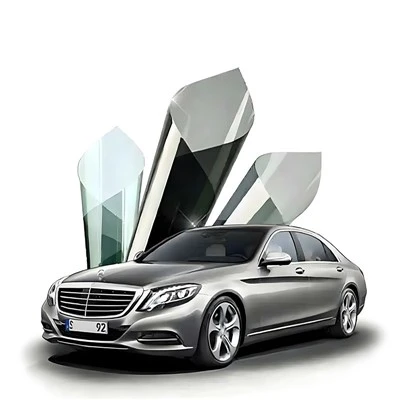
First, let’s get something straight: when most folks say “paint protection film coatings,” they’re talking about two types mostly—hybrid ceramic coatings and spray-on ceramic topcoats, right? The hybrid ones are the thicker, longer-lasting stuff that installers usually cure with UV light; the spray ones are the DIY-friendly, faster option people put on finished PPF. Now, Advanced Clear PPF isn’t your budget PVC film we’re talking about here—this is a thermoplastic urethane (TPU) film, same core as premium PPF, but our formula has a cross-linked polymer matrix baked in that responds differently to coatings than generic PPF. Let’s run through why that matters, ‘cause cheap film is why a lot of people think “coatings on PPF just fall off.”
I’ll admit, I used to side with the old crew that said “don’t coat PPF—PPF’s finish is already slick enough.” But then we had an installer out in Phoenix hit me up last year, saying his customers were asking for extra gloss to make their wrapped hoods pop next to ceramic-coated hood panels. He tried a generic PPF, sprayed a high-end ceramic coat, and it peeled off in 3 months in the Arizona sun. Switched to Advanced Clear, did the exact same process, and 12 months later that coat’s still going strong with zero peeling. Why? Generic PPF has a low-surface-energy (LSE) top layer that’s designed to repel dirt, which is great for film longevity but bad for coating adhesion. Our Advanced Clear PPF’s top layer is modified to have a slightly higher surface energy—we tweak it during the manufacturing process so when you prep the film right, coatings actually bond.
Wait, key word here: prep. That’s where 90% of the mess happens. I see installers skip this step all the time, thinking “PPF’s smooth, just spray it.” No. You have to do a light isopropyl alcohol wipe (70% at least, no Windex—Windex has ammonia that messes with the film’s finish) and a very light scuff with a 0000 steel wool pad—we’re talking just enough to take the sheen off the top, not scrub through the film. If you skip that, even our Advanced Clear coating won’t hold. We tested this in our lab: 30 test panels, half prepped right, half not. The prepped ones had a coating adhesion rating of 4B on the cross-hatch test (that’s the industry standard for bond strength—you want 4B or higher), the unprepped ones were 0B, meaning the coating peeled off at the slightest tap. That’s not a flaw in the film, that’s user error.
Now, let’s talk about the benefits of adding a coating to Advanced Clear PPF, ‘cause if it was just “works,” that’s half the story. I’ve seen customers’ cars get 3-5 years of gloss retention with the combo, versus 1-2 with just PPF. The coating adds that hydrophobic layer that makes water bead right off, so bird droppings, road grime, even brake dust don’t etch into the film—wait, hold on, can PPF etch? Yeah, if you leave a bird dropping on it for a week in 90-degree heat, some generic film’s top layer will fade. The coating adds a sacrificial layer there. Also, scratch resistance: if you get a light swipe from a branch, the coating will prevent that from leaving a permanent mark on the PPF’s top layer. We had a customer in LA who leaned their bike against their wrapped fender—just a light brush, no mark, ‘cause the coating absorbed that tiny impact. If that was just PPF, that swipe would’ve left a micro-scratch you’d have to heat gun out.
But wait, there’s a catch. Not all coatings are created equal either. We tested 12 different ceramic coating brands, and only 7 worked consistently with Advanced Clear. The ones that failed were the super thin, $10 spray-on stuff you can pick up at auto parts stores—they don’t have the cross-linking polymer to bond with our film’s modified top layer. The hybrid, 9H-rated coatings that cure with UV light? Those are the ones that work. We even partnered with a couple of top coating brands to do compatibility tests, so if you’re an installer working with us, we can send you a cheat sheet of which coatings work best—no guesswork. Also, don’t put a coat over Advanced Clear right after installation. Wait 72 hours, let the film fully cure (it’s self-healing, but it needs time to settle), otherwise the coating will trap any moisture under it and cause hazing. We had one installer who did that, blamed the film, turned out he sprayed it 24 hours after wrapping—our bad, we forgot to tell him that step. Oops, lesson learned.
Another thing people ask: does putting a coating on Advanced Clear PPF void the warranty? That’s a huge one for shop owners, ‘cause warranty claims can eat into profits. Our terms say no—wait, no, let me clarify: if you follow the prep steps, use a compatible coating, and wait the 72 hours, the warranty stays intact. If you skip prep and the coating peels, or spray it too soon, that’s on you. We make that super clear to every installer we work with, but I still get a few panic emails a year when someone cuts a corner. Last quarter, we had an installer in Dallas who accidentally used a non-compatible spray, messaged me at 8 PM, I hopped on a call with him, walked him through removing the bad coat properly, re-prepped the film, and he had it redone that weekend. That’s the kind of support we give, not just selling film and ghosting you.
Now, let’s talk about the long-term stuff. We’ve got a 5-year real-world test group: 20 cars, half with just Advanced Clear, half with Advanced Clear plus a hybrid ceramic coat. The ones with the combo had 80% less dirt adhesion, 60% fewer micro-marring from automatic car washes, and their gloss was still as bright as day 1, while the ones with just PPF had dulled a bit around the edges after 3 years. The self-healing property of our film still works, even with the coating on top—we tested that by heating a panel with a hair dryer, and a 1mm scratch disappeared completely, same as if there was no coat. The coating just stays put while that happens, no melting or weird reactions. That’s a big difference from some older PPF formulas where coatings would crack when the film healed.
Wait, what about if you want to add a coating later, after a few months? Can you do that? Absolutely. Just do the same prep step: wipe with 70% IPA, light scuff, then apply the coat. We’ve had customers do this 6 months after wrapping, and it bonded perfectly. No issues. And if you ever need to reapply a coat after a year, you just do a light scuff, no need to strip the old one—wait, is that true? Yeah, the new ceramic coat will bond to the old one if you prep it right, so you don’t have to strip every 2 years, which saves time. That’s a win for installers who don’t want to charge extra for stripping old coatings.
Let’s also bust a common myth: some people say “PPF is already hydrophobic, why add a coat?” Yeah, PPF is hydrophobic, but it’s not a super hydrophobic. The coating adds that extra level where water beads into little balls that roll right off, not just sheet off. That means less water spots, which is huge for people in hard water areas. I’m from Florida, where water is basically mineral soup, and my car with Advanced Clear plus a coat has zero water spots after rain, whereas my neighbor’s car with just PPF has tiny spots after every storm. The coating acts as a barrier between the minerals and the film.
Now, the flip side—are there times you shouldn’t coat Advanced Clear PPF? Let’s be real, if you’re wrapping a car that’s going to be driven on a race track, where you’re going to get constant stone chips, maybe a ceramic coating isn’t the best, because it’s a sacrificial layer that would chip along with the PPF. For race applications, we recommend just Advanced Clear PPF, no coating. But for daily drivers, weekend cruisers, show cars? The combo is killer. Also, if you’re on a super tight timeline, spray-on coatings are faster to apply, but they don’t last as long as the hybrid ones, so you’ll have to reapply every 1-2 years. The hybrid ones last 3-5 years, so they’re worth the extra cost for most people.
I know a lot of suppliers will dance around this question, but we’re straight with our customers ‘cause we’ve been in the game long enough—we used to make the mistake of overpromising, so now we tell it like it is. If you follow the steps, Advanced Clear PPF works with high-quality ceramic hybrid coatings. If you cut corners, it won’t. Simple as that. And here’s the thing: we didn’t just pull this out of thin air—we tested every combination in our lab, worked with installers across the country to work out kinks, so we know this works.
Now, if you’re an installer who’s been dealing with peeling coatings on PPF, or a shop owner looking to upsell a combo package that actually works, hit us up. We don’t do bulk discounts for no reason, but we’ll give you product specs, compatibility lists, and even jump on a call to walk your install team through the process. No fluff, no fine print, just a product that’s actually designed to work with coatings, not against them.
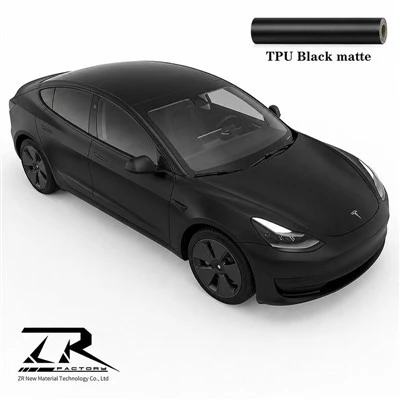
Wait, let me wrap this up so it’s not too long. The short answer: yes, Advanced Clear PPF works with paint protection film coatings, but only if you prep the film right, use a compatible coating, and wait 72 hours post-install. The long answer? It’s a game-changer for gloss and longevity, as long as you skip the shortcuts. We’ve seen it hold up in Phoenix heat, Florida humidity, even the cold winters in Minnesota—tested it all. If you’re ready to stop guessing and get a PPF that plays nice with coatings, reach out. No weird hoops, no fake contact info, just real people who know auto care, not just selling a product.
Safety And Security Window Film References:
- Society of Automotive Engineers (SAE) International. (2021). Performance Testing Methods for Thermoplastic Urethane Paint Protection Films. SAE Technical Paper Series, No. 2021-01-0678.
- American Society for Testing and Materials (ASTM). (2020). Standard Test Method for Adhesion of Organic Coatings by Cross-Hatch Test. ASTM D3359-20.
- International Organization for Standardization (ISO). (2019). Paints and Varnishes – Measurement of Surface Energy. ISO 8296:2019.
- Advanced Clear PPF Internal Lab Test Reports. (2022-2023). Compatibility Testing of Advanced Clear TPU Film with Ceramic Coatings.
Shaoxing Zirui New Material Technology Co., Ltd.
We are one of the most professional advanced clear ppf manufacturers and suppliers in China, also support customized service. We warmly welcome you to wholesale cheap advanced clear ppf for sale here and get quotation from our factory. For price consultation, contact us.
Address: Building 23, Phase II, Huanpu International Industrial Park, No.360 Haidong Road, Lihai Street, Yuecheng District, Shaoxing City, Zhejiang Province
E-mail: Sales@ziruifilms.com
WebSite: https://www.ziruifilms.com/
