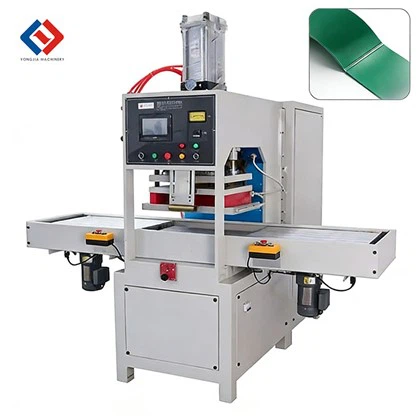
When it comes to the medical industry, the importance of reliable and compliant equipment cannot be overstated. As a provider of medical blister packaging machines, I understand the significance of these machines in protecting and preserving medical products. One crucial aspect that often goes unnoticed but is extremely vital is the certifications that these machines must possess. In this blog post, I’ll walk you through the various certifications required for a medical blister packaging machine, so you can make an informed decision when purchasing. Medical Blister Packaging Machine
1. CE Certification
The CE (Conformité Européene) certification is one of the most well – known and widely recognized certifications in the European market. It indicates that a product complies with the essential health and safety requirements set by the European Union. For medical blister packaging machines, CE certification is crucial if you plan to sell your products in Europe.
The CE marking is not a quality label but a statement of compliance with EU health, safety, and environmental protection legislation. To obtain CE certification for a medical blister packaging machine, manufacturers must ensure that their machines meet a series of directives, such as the Machinery Directive, the Low Voltage Directive, and the Electromagnetic Compatibility Directive.
The Machinery Directive (2006/42/EC) focuses on the safety of machinery, including aspects like protection against mechanical hazards, electrical safety, and ergonomics. The Low Voltage Directive (2014/35/EU) ensures that the electrical equipment operates safely within the defined voltage limits. The Electromagnetic Compatibility Directive (2014/30/EU) addresses the ability of the machine to function correctly in its electromagnetic environment without causing interference to other equipment.
2. ISO 13485 Certification
The ISO 13485 standard is specifically for the medical device industry. It provides a framework for a quality management system for the design, development, production, installation, and servicing of medical devices. A medical blister packaging machine is considered a medical device, so having ISO 13485 certification is a strong indication of the machine’s quality and compliance with international standards.
This certification requires manufacturers to establish and maintain a comprehensive quality management system. This includes processes for risk management, design and development control, purchasing control, production and service provision control, and monitoring and measurement of product and process performance. By adhering to ISO 13485, manufacturers can ensure that their medical blister packaging machines are consistently produced to meet the needs of customers and regulatory requirements.
3. UL Certification
UL (Underwriters Laboratories) is a global safety certification organization based in the United States. UL certification is highly regarded in the North American market. For medical blister packaging machines, UL certification provides assurance that the machines meet strict safety standards.
UL certification involves a rigorous testing process. The machines are evaluated for various safety aspects, such as electrical safety, fire safety, and mechanical safety. For example, the electrical components of the machine must be tested to ensure that they do not pose a risk of electrical shock or fire. The mechanical parts must be designed and constructed to prevent any potential hazards, such as crushing or entanglement.
4. FDA Compliance
The U.S. Food and Drug Administration (FDA) has strict regulations regarding medical devices, including blister packaging machines. Although the FDA does not issue a single "certification" as such, medical blister packaging machine manufacturers must ensure compliance with FDA regulations if they want to sell their products in the United States.
The FDA’s requirements cover a wide range of areas, from good manufacturing practices (GMP) to product performance and safety. For a medical blister packaging machine, this means that the machine must be designed and manufactured in a way that ensures the integrity of the medical products being packaged. The machine should not introduce any contaminants or pose any risks to the medical products.
Manufacturers may need to register their facilities with the FDA and submit pre – market notifications or approvals, depending on the classification of the medical blister packaging machine. The FDA classifies medical devices into three classes (Class I, Class II, and Class III) based on the level of risk associated with the device. Most medical blister packaging machines fall under Class II, which may require a 510(k) pre – market notification that demonstrates substantial equivalence to a legally marketed device.
5. RoHS Compliance
The Restriction of Hazardous Substances (RoHS) Directive restricts the use of certain hazardous substances in electrical and electronic equipment. Since medical blister packaging machines often contain electrical and electronic components, RoHS compliance is important.
The RoHS directive restricts the use of substances such as lead, mercury, cadmium, hexavalent chromium, polybrominated biphenyls (PBB), and polybrominated diphenyl ethers (PBDE). By ensuring RoHS compliance, manufacturers can contribute to environmental protection and also meet the requirements of many customers who are concerned about the environmental impact of the products they purchase.
Why These Certifications Matter
These certifications are not just pieces of paper; they represent a commitment to quality, safety, and compliance. For medical blister packaging machines, the stakes are high because these machines are directly involved in the packaging of medical products, which can have a direct impact on patient health.
- Quality Assurance: Certifications like ISO 13485 ensure that the manufacturing processes are well – defined and controlled. This leads to more consistent product quality, fewer defects, and better performance over time.
- Market Access: Many countries and regions have specific certification requirements. Without the necessary certifications, it can be extremely difficult, if not impossible, to sell your medical blister packaging machines in those markets.
- Customer Confidence: Customers, especially in the medical industry, are highly concerned about the safety and reliability of the equipment they purchase. Certifications provide them with the assurance that the machine meets the highest standards.
- Regulatory Compliance: Failure to comply with relevant regulations can result in significant fines, legal issues, and damage to a company’s reputation.
Choosing the Right Machine with the Right Certifications
When you are in the market for a medical blister packaging machine, it’s essential to consider the certifications. Here are a few tips for making the right choice:
- Verify the Certifications: Don’t just take the manufacturer’s word for it. Ask for copies of the certifications and verify their authenticity. You can also check with the relevant certification bodies.
- Understand the Scope of Certifications: Different certifications may cover different aspects of the machine. Make sure you understand what each certification means and how it applies to your specific needs.
- Consider Future Market Expansion: If you have plans to expand your business into new markets in the future, choose a machine that already has or can easily obtain the necessary certifications for those markets.
In conclusion, the certifications required for a medical blister packaging machine play a crucial role in ensuring the quality, safety, and marketability of the machine. As a trusted supplier of medical blister packaging machines, we are committed to providing machines that meet all the relevant certifications. Our machines are designed and manufactured to the highest standards, giving you peace of mind when it comes to packaging your medical products.
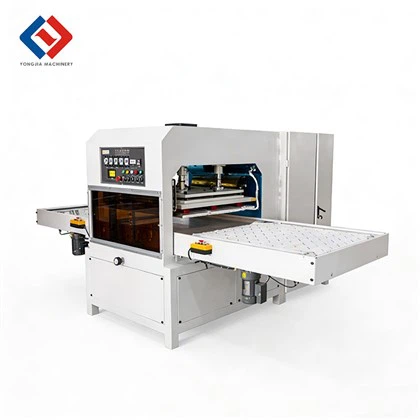
If you are in the process of sourcing a medical blister packaging machine and want to learn more about our products and how they meet the required certifications, we encourage you to reach out. We are ready to have in – depth discussions with you, understand your specific needs, and provide you with the best solutions. Feel free to contact us to start the procurement negotiation process.
Synchronous Fusing HF Welding Machines References:
- European Union Machinery Directive 2006/42/EC
- European Union Low Voltage Directive 2014/35/EU
- European Union Electromagnetic Compatibility Directive 2014/30/EU
- ISO 13485:2016 International Standard
- U.S. Food and Drug Administration regulations on medical devices
- Restriction of Hazardous Substances (RoHS) Directive
Dongguan Yongjia Machinery Equipment Co., Ltd.
We are one of the most reliable medical blister packaging machine manufacturers and suppliers in China, specialized in providing high quality customized service. Please feel free to wholesale advanced medical blister packaging machine at low price from our factory. For quotation, contact us now.
Address: No. 240, Chashan South Road, Chashan Town, Dongguan City, Guangdong Province, China
E-mail: info@yjwelding.com
WebSite: https://www.yjhighfrequencymachine.com/
