As a supplier of wool paper, I’ve often been asked about the stiffness of this unique product. Stiffness is a crucial property that affects the usability and performance of wool paper in various applications. In this blog, I’ll delve into what the stiffness of wool paper is, what factors influence it, and why it matters in different industries. Wool Paper
Understanding the Concept of Stiffness
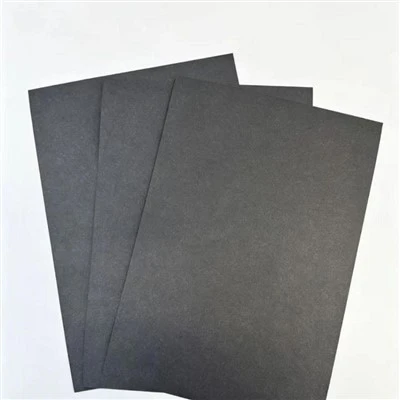
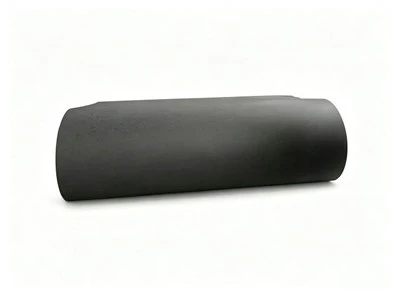
Stiffness, in the context of paper, refers to the resistance of the paper to bending. It is a measure of how well the paper can maintain its shape under an applied force. For wool paper, stiffness is an important characteristic because it determines how the paper will perform in different situations. A stiffer wool paper will be more rigid and less likely to bend or fold easily, while a less stiff paper will be more flexible and conformable.
The stiffness of wool paper is typically measured in units of force per unit length, such as Newtons per meter (N/m). This measurement is obtained by applying a known force to the paper and measuring the resulting deflection. The higher the force required to produce a given deflection, the stiffer the paper.
Factors Affecting the Stiffness of Wool Paper
Several factors can influence the stiffness of wool paper. These include the type of wool used, the manufacturing process, the thickness of the paper, and the addition of additives.
Type of Wool
The type of wool used in the production of wool paper plays a significant role in determining its stiffness. Different types of wool have different fiber characteristics, such as length, diameter, and crimp. Longer and thicker fibers generally result in a stiffer paper, as they provide more resistance to bending. For example, Merino wool, which is known for its fine and long fibers, can produce a relatively stiff wool paper. On the other hand, coarser wools with shorter fibers may result in a less stiff paper.
Manufacturing Process
The manufacturing process also has a major impact on the stiffness of wool paper. The way the wool fibers are processed, including carding, spinning, and papermaking, can affect the orientation and bonding of the fibers. A well – processed wool paper with fibers that are evenly distributed and strongly bonded will be stiffer. For instance, if the fibers are aligned in a specific direction during the papermaking process, the paper will have different stiffness properties in different directions. Additionally, the use of heat and pressure during manufacturing can increase the stiffness of the paper by further bonding the fibers together.
Thickness of the Paper
The thickness of the wool paper is another important factor. Generally, thicker papers are stiffer than thinner ones. This is because a thicker paper has more material to resist bending. However, the relationship between thickness and stiffness is not always linear. Other factors, such as the density and fiber distribution, also play a role. A thick paper with a low density may not be as stiff as a thinner paper with a higher density and better fiber bonding.
Additives
Additives can be used to modify the stiffness of wool paper. For example, the addition of sizing agents can increase the stiffness by filling the pores between the fibers and making the paper more resistant to moisture. Moisture can significantly reduce the stiffness of paper, so sizing agents help to maintain the paper’s stiffness in different environmental conditions. Other additives, such as strengthening agents, can also be used to enhance the bonding between the fibers and increase the overall stiffness of the paper.
Importance of Stiffness in Different Applications
The stiffness of wool paper is of great importance in a variety of applications. Here are some examples:
Packaging
In the packaging industry, stiffness is a critical property. A stiff wool paper can provide better protection for the products inside the package. It can resist deformation during handling and transportation, ensuring that the package maintains its shape and integrity. For example, when packaging fragile items, a stiffer wool paper can act as a buffer and prevent the items from being damaged. Additionally, a stiff paper can be easily printed on and formed into various packaging shapes, making it suitable for different types of products.
Bookbinding
In bookbinding, the stiffness of the paper affects the durability and appearance of the book. A stiffer wool paper can provide better support for the pages and prevent them from sagging or wrinkling over time. It also gives the book a more professional and high – quality look. For hardcover books, the cover is often made of a stiff paper to protect the pages and provide a sturdy outer layer.
Stationery
For stationery products such as notebooks and writing pads, stiffness is important for a good writing experience. A stiff paper will not bend or buckle under the pressure of the pen, allowing for smooth and consistent writing. It also makes the pages easier to turn and keeps the notebook in good condition.
Art and Crafts
In art and crafts, the stiffness of wool paper can determine the type of projects it can be used for. A stiffer paper is suitable for creating three – dimensional objects, such as origami or paper sculptures, as it can hold its shape well. It can also be used for printing high – quality artworks, where the stiffness helps to maintain the sharpness and clarity of the image.
Measuring and Controlling the Stiffness of Wool Paper
As a supplier, we have strict quality control measures in place to ensure that the stiffness of our wool paper meets the requirements of our customers. We use specialized equipment to measure the stiffness of the paper during the manufacturing process. This allows us to make adjustments to the manufacturing parameters, such as the fiber selection, processing conditions, and additive usage, to achieve the desired stiffness.
We also work closely with our customers to understand their specific needs. Different applications may require different levels of stiffness, and we can customize our products accordingly. For example, if a customer needs a very stiff wool paper for packaging heavy items, we can use thicker fibers and adjust the manufacturing process to increase the stiffness.
Conclusion
The stiffness of wool paper is a complex property that is influenced by several factors, including the type of wool, the manufacturing process, the thickness of the paper, and the addition of additives. It plays a crucial role in various applications, such as packaging, bookbinding, stationery, and art and crafts. As a supplier of wool paper, we are committed to providing high – quality products with the right stiffness for our customers’ needs.
Cotton Pulp Paper If you are interested in purchasing wool paper for your specific application, we would be more than happy to discuss your requirements. We can provide samples for you to test and evaluate the stiffness and other properties of our wool paper. Contact us to start a conversation about how our wool paper can meet your needs.
References
- "Paper Science and Technology" by Peter Axegård
- "Handbook of Pulp and Paper Technology" by James P. Casey
- Research papers on wool fiber properties and papermaking processes from academic journals in the field of materials science and engineering.
Shanghai Rongying Industrial Co., Ltd.
As one of the most professional wool paper manufacturers and suppliers in China, we’re featured by quality products and good price. Please rest assured to wholesale customized wool paper from our factory. If you have any enquiry about quotation and free sample, please feel free to email us.
Address: Jiahua Business Center C building 204 room, No.808 Hongqiao Road,Xuhui District,Shanghai,China
E-mail: info@shryspecialtypaper.com
WebSite: https://www.woolpaper.com/
