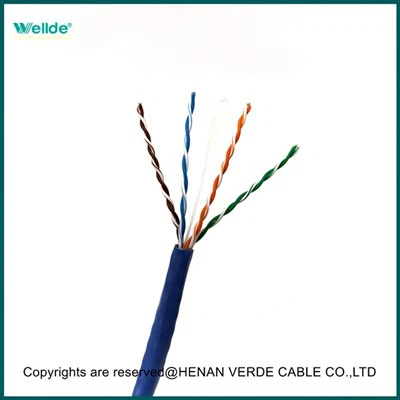
Hey there! I’m a supplier of control cables, and today I’m gonna share with you how to install control cables in a data center. It’s not as complicated as it might seem at first, but there are definitely some key steps and considerations you need to keep in mind. Control Cable
Planning and Preparation
Before you even think about getting your hands dirty with cable installation, you’ve gotta do some serious planning. First off, you need to figure out exactly how many control cables you’ll need. This depends on the size of the data center, the number of devices you’re connecting, and the layout of the space. You don’t want to run out of cables halfway through the installation, so it’s better to overestimate a bit.
Next, you’ve got to map out the cable routes. You want to avoid sharp bends and kinks in the cables because that can cause signal interference. Try to find the most direct paths from the source to the destination, but also make sure the cables are out of the way of foot traffic and other potential hazards. You might even want to use cable trays or conduits to keep the cables organized and protected.
Another important thing to consider during the planning phase is the labeling. Trust me, you don’t want to be scratching your head trying to figure out which cable goes where after the installation is done. Label each cable at both ends with clear, permanent markers. Include information like the source, destination, and cable type. This will make troubleshooting and future maintenance a whole lot easier.
Gathering the Tools and Materials
Once you’ve got your plan in place, it’s time to gather all the tools and materials you’ll need. Here’s a list of the basics:
- Cable cutters: You’ll need these to cut the cables to the right length. Make sure they’re sharp and in good condition so you can get clean cuts.
- Crimping tools: If you’re using connectors on the ends of the cables, you’ll need a crimping tool to attach them properly.
- Cable ties: These are great for keeping the cables organized and bundled together. You can use different sizes depending on how many cables you’re tying.
- Drill and bits: If you need to install cable trays or conduits, you’ll need a drill to make holes in the walls or floors.
- Safety equipment: This includes things like gloves, safety glasses, and a hard hat. Safety should always be your top priority when working in a data center.
Installing the Cable Trays or Conduits
If you’ve decided to use cable trays or conduits, the first step is to install them. Start by marking the locations where you want to install them on the walls or floors. Make sure they’re level and straight. Then, use your drill to make holes and insert the appropriate fasteners.
Once the cable trays or conduits are installed, you can start running the cables through them. Be careful not to pull the cables too tight, as this can damage them. You should leave a little bit of slack in the cables to allow for any future movement or expansion.
Pulling the Cables
Now comes the fun part: pulling the cables. This is where you’ll really start to see your plan come to life. Start by attaching the cables to a pulling rope or fish tape. Make sure the connection is secure so the cable doesn’t come loose during the pulling process.
Next, have one person at each end of the cable route. The person at the source end will feed the cable into the cable tray or conduit, while the person at the destination end will pull the cable through. Make sure you communicate clearly with each other to avoid any problems.
As you’re pulling the cables, keep an eye out for any signs of damage. If you notice any cuts, nicks, or kinks in the cable, stop immediately and replace it. You don’t want to risk using a damaged cable in a data center, as it can cause serious problems down the road.
Terminating the Cables
Once the cables are in place, it’s time to terminate them. This involves attaching the connectors to the ends of the cables. The process will vary depending on the type of connectors you’re using, but here are the general steps:
- Strip the outer jacket of the cable to expose the individual wires. Make sure you don’t cut any of the wires in the process.
- Arrange the wires according to the pinout diagram for the connector. Make sure each wire is in the correct position.
- Insert the wires into the connector and use your crimping tool to attach them. Apply enough pressure to make a secure connection, but be careful not to over – crimp and damage the wires.
- Repeat the process for the other end of the cable.
Testing the Cables
After you’ve terminated all the cables, it’s crucial to test them to make sure they’re working properly. You can use a cable tester to check for continuity, signal strength, and other important parameters. If any of the cables fail the test, you’ll need to go back and troubleshoot the problem. It could be a loose connection, a damaged cable, or a problem with the termination.
Organizing and Securing the Cables
Once the cables are tested and working, it’s time to organize and secure them. Use cable ties to bundle the cables together and keep them neat. You can also use cable management clips or brackets to hold the cables in place.
Make sure the cables are not too tightly packed, as this can cause overheating and signal interference. Leave some space between the cables to allow for air circulation.
Maintenance and Future Expansion
Installing control cables in a data center is not a one – time job. You’ll need to perform regular maintenance to make sure the cables are in good condition. This includes checking for signs of wear and tear, tightening any loose connections, and replacing any damaged cables.
You should also plan for future expansion. As your data center grows, you may need to add more control cables. Make sure you leave enough space in the cable trays or conduits for future cables.
Why Choose Our Control Cables?
Now, I know there are a lot of control cable suppliers out there, but let me tell you why you should choose us. Our control cables are made from high – quality materials that are designed to withstand the harsh conditions of a data center. They have excellent signal transmission capabilities, which means you’ll get reliable performance.
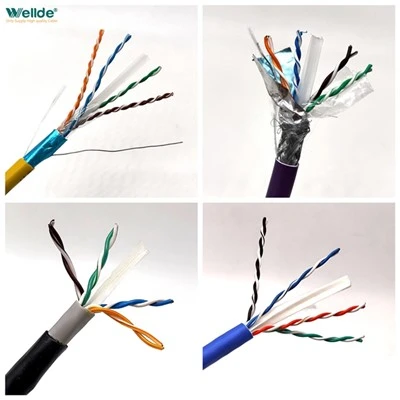
We also offer a wide range of cable types and sizes to meet your specific needs. Whether you need a small – gauge cable for a delicate device or a large – gauge cable for a high – power application, we’ve got you covered.
Our team of experts is always available to provide you with technical support and advice. We can help you choose the right cables for your data center and even assist with the installation process if you need it.
Audio Cable If you’re interested in purchasing control cables for your data center, or if you have any questions about the installation process, don’t hesitate to reach out to us. We’re here to help you make your data center run smoothly and efficiently. Just drop us a line, and let’s start a conversation about how we can meet your cable needs.
References
- "Data Center Cabling Best Practices" by the Telecommunications Industry Association (TIA).
- "Cable Installation Handbook" by the Institute of Electrical and Electronics Engineers (IEEE).
Henan Verde Cable Co., Ltd.
Henan Verde Cable Co., Ltd. is well-known as one of the leading control cable manufacturers and suppliers in China. Please feel free to wholesale high quality control cable in stock here from our factory. All products are with high quality and competitive price. Contact us for price list.
Address: Rm 1508, Kaixuanmen Building B#, No.238 Tongbai South Road, Zhengzhou City, Henan Province, China. 450006
E-mail: linda@welldecable.com
WebSite: https://www.welldecable.com/
