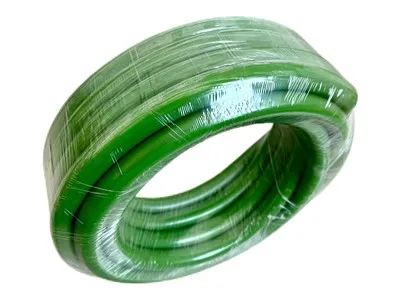
When it comes to tubing materials, the choice can significantly impact the cost, performance, and suitability for various applications. As a supplier of silicon tubing, I’ve been closely involved in understanding the market dynamics and how silicon tubing stacks up against other materials. In this blog, I’ll delve into a detailed comparison of the price of silicon tubing with other commonly used tubing materials, exploring the factors that influence these prices and the value they offer. Silicon Tubing
Understanding the Basics of Tubing Materials
Before we jump into the price comparison, it’s essential to have a basic understanding of the different tubing materials available in the market. The most common materials include silicon, PVC (polyvinyl chloride), rubber, and Teflon (polytetrafluoroethylene). Each material has its unique properties, which make them suitable for specific applications.
Silicon tubing is known for its excellent flexibility, high-temperature resistance, and biocompatibility. It’s widely used in medical, food and beverage, and pharmaceutical industries. PVC tubing is a cost – effective option, offering good chemical resistance and durability. It’s commonly used in plumbing, irrigation, and general industrial applications. Rubber tubing is highly elastic and has good abrasion resistance, making it suitable for automotive and hydraulic systems. Teflon tubing, on the other hand, has exceptional chemical resistance and low friction, which makes it ideal for high – precision and corrosive environments.
Price Factors Analysis of Silicon Tubing
The price of silicon tubing is influenced by several factors. Firstly, the raw material cost is a significant contributor. Silicon is derived from silica, which is abundantly available. However, the process of refining silicon into a usable polymer for tubing production is complex and energy – intensive. This includes processes like polymerization, where the silicon monomers are linked together to form long chains. The purity of the silicon also plays a role; higher – purity silicon is more expensive but offers better performance, especially in applications where biocompatibility and chemical resistance are crucial.
Another factor is the manufacturing process. Silicon tubing is typically produced through extrusion. Specialized equipment and precise control are required to ensure the tubing has uniform wall thickness and diameter. Quality control measures are also more stringent for silicon tubing, especially in industries such as medical and food, where compliance with strict regulations is necessary. This adds to the overall cost of production.
Brand and certification also affect the price. Well – established brands with a reputation for high – quality silicon tubing often charge a premium. Additionally, obtaining certifications like FDA (Food and Drug Administration) approval for medical and food – grade applications can increase the cost due to the additional testing and compliance requirements.
Comparison with PVC Tubing
PVC tubing is generally more affordable than silicon tubing. The raw material for PVC, vinyl chloride monomer, is relatively inexpensive and widely available. The manufacturing process of PVC tubing is also simpler and less energy – intensive compared to silicon tubing. PVC can be easily extruded using standard equipment, and the quality control requirements are usually less strict.
However, when it comes to performance, there are significant differences. PVC tubing has a lower temperature resistance compared to silicon tubing. It can start to deform or release toxic chemicals at relatively high temperatures, which makes it unsuitable for applications where heat is a factor. Silicon tubing can withstand much higher temperatures, ranging from – 60°C to 230°C, depending on the formulation. In terms of biocompatibility, PVC may leach plasticizers over time, which can be a concern in medical and food applications. Silicon tubing, on the other hand, is biocompatible and does not leach harmful substances, making it a safer choice for these sensitive applications.
In terms of long – term cost, although silicon tubing is more expensive upfront, its durability and performance in harsh environments may lead to cost savings in the long run. For example, in a food processing plant, silicon tubing may last longer and require less frequent replacement than PVC tubing, reducing downtime and maintenance costs.
Comparison with Rubber Tubing
Rubber tubing can vary widely in price depending on the type of rubber used. Natural rubber tubing is generally less expensive, while synthetic rubber tubings, such as EPDM (ethylene propylene diene monomer) or Nitrile rubber, can be more costly. The price of silicon tubing is often in the middle range compared to different types of rubber tubing.
Rubber tubing offers high elasticity and good abrasion resistance, which makes it suitable for applications where flexibility and durability against mechanical stress are required, such as in automotive fuel lines and hydraulic systems. However, rubber tubing may have limited chemical resistance and temperature stability. Some types of rubber can degrade when exposed to certain chemicals or high temperatures.
Silicon tubing, on the other hand, has better chemical and temperature resistance. In applications where exposure to harsh chemicals or extreme temperatures is common, silicon tubing may be a more reliable option. For example, in a chemical laboratory, silicon tubing can withstand a wider range of chemicals without degrading, while rubber tubing may need to be replaced more frequently due to chemical damage.
Comparison with Teflon Tubing
Teflon tubing is one of the most expensive tubing materials on the market. The raw material for Teflon, polytetrafluoroethylene, is expensive to produce, and the manufacturing process requires specialized equipment. Teflon has excellent chemical resistance, low friction, and a high melting point.
Silicon tubing is much more affordable than Teflon tubing. While silicon tubing does not have the same level of chemical resistance as Teflon, it still offers good resistance to a wide range of chemicals. In applications where extremely high – precision and low – friction are not the primary requirements, silicon tubing can be a cost – effective alternative. For example, in a general industrial fluid transfer application, silicon tubing can provide sufficient performance at a fraction of the cost of Teflon tubing.
Value Proposition of Silicon Tubing
Despite the relatively higher price compared to some materials like PVC and natural rubber, silicon tubing offers a unique value proposition. Its high – temperature resistance, biocompatibility, and flexibility make it an ideal choice for many critical applications. In the medical field, silicon tubing is used in applications such as intravenous lines, catheters, and respiratory equipment, where patient safety is of utmost importance.
In the food and beverage industry, silicon tubing is used for transferring liquids, as it does not impart any taste or odor to the products. Its durability and resistance to microbial growth also make it a preferred choice. In industrial applications, silicon tubing can withstand harsh environments, reducing the need for frequent replacements and maintenance.
Encouraging Contact for Purchase and Negotiation
If you’re in need of tubing for your specific application, I understand that price is a crucial factor. But as we’ve seen, the price of tubing should be considered in the context of its performance and long – term value. As a supplier of silicon tubing, I’m committed to providing high – quality products at competitive prices.
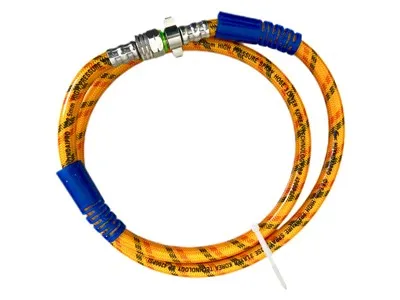
Flat Hose I’m more than happy to discuss your tubing requirements in detail. Whether you’re in the medical, food, or industrial sector, I can help you find the right silicon tubing solution for your needs. We have a wide range of silicon tubing products with different specifications and certifications. Contact me to start a conversation about your procurement needs, and we can negotiate the best terms for your purchase.
References
- "Handbook of Polymer Science and Technology"
- "Materials Science for Engineers"
- Industry reports on tubing materials and market trends from reputable research firms.
Weifang Xinzhiyuan Plastic Co., Ltd.
As one of the most experienced silicon tubing manufacturers and suppliers in China, we offer a wide range of products with superior quality. Please feel free to wholesale premium silicon tubing made in China here from our factory. We also accept customized orders.
Address: No. 700, Tongle Street, Economic Development Zone, Changle County, Weifang City, Shandong Province
E-mail: hua@xzypvchose.com
WebSite: https://www.pvchose-xzy.com/
