As a seasoned supplier of plastic extruders, I understand the pivotal role these machines play in various industries. A well – maintained plastic extruder not only ensures consistent production quality but also extends the lifespan of the equipment, saving costs in the long run. In this blog, I’ll share some in – depth tips on how to maintain a plastic extruder. Plastic Extruder

Regular Cleaning
One of the most fundamental aspects of plastic extruder maintenance is regular cleaning. After each production run, it’s essential to clean the extruder thoroughly to prevent the build – up of plastic residues, which can cause blockages and affect the quality of the extruded products.
Start by purging the extruder with a suitable cleaning compound. This compound helps to remove any remaining plastic from the barrel, screw, and die. Make sure to follow the manufacturer’s instructions for the proper use of the cleaning compound, including the recommended temperature and purging time.
Once the purging is complete, disassemble the accessible parts of the extruder, such as the die, breaker plate, and screw. Use appropriate cleaning tools, like brushes and scrapers made of non – abrasive materials, to remove any stubborn residues from these parts. For the screw, pay special attention to the flights and channels, as plastic can easily accumulate in these areas.
Cleaning the hopper is also crucial. Remove any leftover plastic pellets or debris from the hopper to prevent contamination of the new material during the next production run. A clean hopper ensures a smooth and consistent flow of plastic into the extruder.
Lubrication
Proper lubrication is vital for the smooth operation of a plastic extruder. The moving parts of the extruder, such as bearings, gears, and chains, require regular lubrication to reduce friction and wear.
Refer to the extruder’s user manual to determine the type of lubricant recommended for each component. Different parts may require different lubricants, so it’s important not to use the wrong one. For example, high – temperature bearings may need a special high – heat – resistant lubricant.
Establish a lubrication schedule based on the manufacturer’s guidelines. Some parts may need to be lubricated daily, while others may only require lubrication once a week or month. Keep a record of the lubrication activities, including the date, type of lubricant used, and the components lubricated. This record – keeping helps to ensure that no parts are overlooked and can be useful for troubleshooting in case of any issues.
Inspection of Electrical Systems
The electrical systems of a plastic extruder are complex and play a crucial role in its operation. Regular inspection of the electrical components can help prevent electrical failures, which can be not only costly to repair but also pose a safety hazard.
Check the wiring connections regularly for any signs of looseness, fraying, or corrosion. Loose connections can cause electrical arcing, which can damage the components and even start a fire. Tighten any loose connections and replace any damaged wires immediately.
Inspect the control panels and sensors. Make sure that all the switches, buttons, and indicators are functioning properly. Calibrate the sensors regularly to ensure accurate temperature, pressure, and speed readings. Faulty sensors can lead to incorrect process settings, resulting in poor – quality extruded products.
Test the emergency stop buttons to ensure they are working effectively. In case of an emergency, these buttons can quickly shut down the extruder, preventing accidents and damage to the equipment.
Monitoring of Temperature and Pressure
Temperature and pressure are two critical parameters in the plastic extrusion process. Monitoring these parameters closely and maintaining them within the appropriate range is essential for the quality of the extruded products and the longevity of the extruder.
Install temperature sensors at key points in the extruder, such as the barrel, die, and heater bands. Regularly check the temperature readings and compare them with the set values. If there are significant deviations, investigate the cause immediately. It could be due to a malfunctioning heater band, a faulty thermostat, or a problem with the cooling system.
Similarly, monitor the pressure in the extruder. High or fluctuating pressure can cause damage to the extruder components, such as the screw and die. Use pressure gauges to measure the pressure at different points in the extrusion process, and ensure that the pressure remains stable within the recommended range. If the pressure is too high, it may be necessary to adjust the screw speed, the feed rate, or the die opening.
Maintenance of the Cooling System
The cooling system of a plastic extruder helps to control the temperature of the barrel and the extruded product. A properly functioning cooling system is essential for preventing the plastic from overheating and degrading.
Regularly check the coolant level in the cooling system. If the coolant level is low, add the appropriate coolant as recommended by the manufacturer. Inspect the cooling pipes and hoses for any leaks or blockages. Leaks can lead to a loss of coolant, while blockages can reduce the cooling efficiency.
Clean the cooling fins and radiators to remove any dust or debris that may accumulate on them. This helps to improve the heat transfer efficiency of the cooling system. If the cooling system uses a water – based coolant, it’s important to treat the water to prevent the growth of algae and the formation of scale, which can also affect the cooling performance.
Screw and Barrel Maintenance
The screw and barrel are the heart of a plastic extruder. They are subjected to high levels of stress and wear during the extrusion process, so proper maintenance is crucial.
Regularly inspect the screw for signs of wear, such as scratches, nicks, or excessive clearance between the screw and the barrel. If the screw is worn, it can lead to poor plastic melting, uneven mixing, and reduced output. In some cases, the worn screw may need to be repaired or replaced.
The barrel should also be inspected for wear. Check for any signs of scoring or corrosion on the inner surface of the barrel. If the barrel is worn, it can affect the performance of the screw and the quality of the extruded products. In some situations, the barrel may need to be re – bored or replaced.
When disassembling the screw and barrel for maintenance, handle them carefully to avoid damage. Use the appropriate tools and follow the correct procedures to ensure a proper fit when reassembling them.
Training of Operators
Well – trained operators play a significant role in the maintenance of a plastic extruder. Provide comprehensive training to your operators on the proper operation and maintenance of the extruder.
The training should cover topics such as the start – up and shut – down procedures, the correct use of controls, and the importance of regular maintenance. Operators should also be trained to recognize the early signs of potential problems, such as unusual noises, vibrations, or changes in temperature and pressure.
Encourage operators to report any issues they notice immediately. This allows for timely troubleshooting and preventive maintenance, reducing the likelihood of major breakdowns.
Record – Keeping
Maintaining detailed records of the maintenance activities is essential for the long – term management of a plastic extruder. Keep records of all cleaning, lubrication, inspection, and repair activities, including the dates, the parts involved, and the actions taken.
These records can be used to track the maintenance history of the extruder, identify any recurring problems, and plan for future maintenance. They can also be useful for warranty claims and for demonstrating compliance with industry standards and regulations.
In conclusion, maintaining a plastic extruder requires a combination of regular cleaning, proper lubrication, electrical system inspection, temperature and pressure monitoring, cooling system maintenance, screw and barrel upkeep, operator training, and meticulous record – keeping. By following these maintenance practices, you can ensure the reliable operation of your plastic extruder, improve the quality of your products, and reduce the overall cost of ownership.
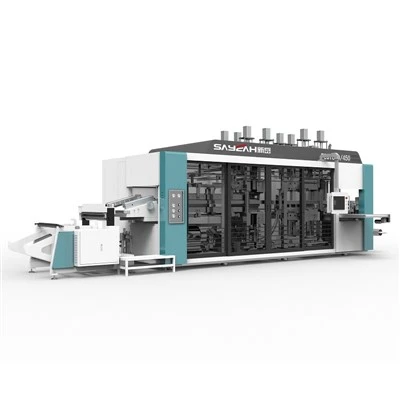
Four Station Thermoforming Machine If you are interested in learning more about our plastic extruders or need professional advice on extruder maintenance, we are here to help. Whether you are looking to upgrade your existing equipment or invest in a new plastic extruder, our team of experts can provide tailored solutions to meet your specific needs. Feel free to contact us to start a conversation about your requirements and how we can support your business.
References
- "Plastics Extrusion Technology Handbook" by Michael W. Brown
- Manufacturer’s user manuals for plastic extruders.
- Industry best – practice guidelines for plastic extrusion equipment maintenance.
Zhejiang Sayeah Machinery Co., Ltd.
Zhejiang Sayeah Machinery Co., Ltd. is one of the most reliable manufacturers and suppliers of plastic extruder in China, also supports high quality customized service. Please feel free to buy CE approved plastic extruder from our factory. For price consultation, contact us.
Address: Wanquan District Industrial Zone,West Of China National Highway 104, Sunlou Village, Wanquan Town, Pingyang County, Zhejiang Province. China
E-mail: sales@sayeahmachinery.com
WebSite: https://www.sayeahthermoforming.com/
