Hey everyone, it’s Jake here from your go-to tactical gear supplier, and let’s cut to the chase: if you’re storing a tactical vest when you’re not hitting the field, running training drills, or prepping for an op, you’re probably making a mistake if you just toss it in the back of your closet, a duffel bag, or crumple it on a shelf. I’ve seen it all over the years—vests that get moldy, straps that stretch out, MOLLE webbing that gets torn apart by random junk, even foam inserts that lose their shape so bad they’re useless when you need them most. Yeah, I’ve fixed a few of these for customers over the years, and trust me, fixing an unused vest is way harder than storing it right in the first place. Let’s break down the actual science (and real-world tips) of carrying a tactical vest when it’s not in use, no fancy jargon, no overcomplicated steps. Tactical Vest
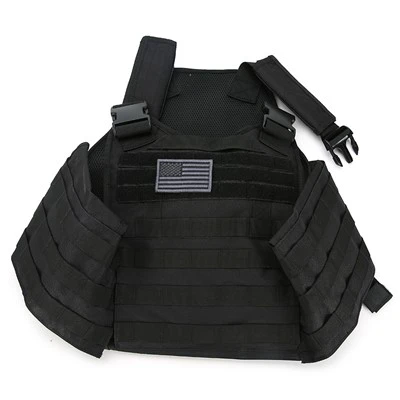
First, let’s get one thing straight: tactical vests aren’t just heavy canvas vests with pouches—they’re engineered with specific materials that behave a certain way when compressed, exposed to certain conditions, or left sitting wrong. A lot of guys I’ve talked to (even some small unit leaders) think “tough gear means you can treat it like trash” and that’s the biggest myth out there. For example, the foam hard inserts in most plate carriers (the tactical vest type we sell, for those who don’t know) are closed-cell foam, right? Closed-cell is water-resistant and great at stopping shrapnel, but if you compress it for weeks on end, it doesn’t just get a little squishy—it permanently loses its structural integrity. I’ve had a customer send us a vest where they stacked it under dumbbells in their garage for three months, and when they unstacked it, the shoulder plates were so flat they could fold in half. That’s not a defect—that’s user error. And MOLLE webbing? Those little loops are reinforced nylon, but they’ll stretch or tear if you’re yanking a bunch of gear off them when storing, or if you leave heavy pouches full of gear hanging for months. Nylon has memory, but only if you don’t abuse it.
So what’s the best way to carry an unused tactical vest? Let’s start with the “core rules” before we get into step-by-step stuff, because these apply no matter what type of vest you’ve got—plate carrier, chest rig, low-profile assault vest, whatever. First, never hang it by the straps for long periods. I know, I know—you’ve seen guys hang vests on hooks in their gear room. That works temporarily, but not long-term. Why? The shoulder straps and the cummerbund (the waist part) are sewn to the vest body with heavy thread, but constant weight pulling on that seam will stretch the holes in the webbing over time, or even pull the stitching loose. I once had a customer’s vest where the left shoulder strap pulled out entirely after six months of hanging it by the hook—turns out he hung it with the heavy plates in, so all that weight was pulling on one seam. Bad call.
Second, don’t leave any gear in the pouches when storing. I get it—you’re busy, you toss your rifle mags, first aid kit, or even a water bottle pouch on and then forget to take them out. But a 5-pound rifle mag in a pouch sitting against your back panel for months is not just adding unnecessary weight (though that’s annoying) — it’s pulling the MOLLE webbing out of shape, stretching the seams, and if it’s a metal magazine, it can even leave rust stains on the nylon if there’s any moisture. And don’t even get me started on hydration bladders. If you leave a water bladder in the vest and don’t empty it, even a little residual water will grow mold or mildew in the hose or the bladder itself. I’ve had so many customers send us bladders that reek because they forgot to empty them, and once the mold is in there, it’s impossible to get out without ruining the bladder.
Third, avoid extreme environments. If you’re storing your vest in a hot attic, a cold garage, or a damp basement, you’re asking for trouble. High heat breaks down nylon and foam over time—think of how a backpack left in a hot car gets all stretchy and weak, same thing with a vest. Cold? Not so bad, but if it’s below freezing for months, the foam can get brittle and crack. Dampness is the worst—mold, mildew, rust, even the adhesive on any patches or hook-and-loop (Velcro) panels can break down if there’s too much moisture. Your vest doesn’t need a climate-controlled closet, but it should be somewhere that’s not too hot, not too cold, and not damp—like a spare bedroom closet, a gear shelf in your house, or a well-ventilated gear room.
Now, let’s get into the actual methods, ordered from best to okay (not great, but better than tossing it around). First, my top recommendation: the flat, folded storage method. This is what we show all our new customers when they pick up a vest, and it works for every type—plate carriers, chest rigs, even lightweight training vests. Here’s how to do it right, step by step, no shortcuts:
First, prep the vest first. This is non-negotiable. Take out all plates (hard or soft), empty every pouch, remove any gear or bladders, wipe down the outside and inside with a dry microfiber cloth (if it’s super dirty, a little mild soap and water, just make sure it’s 100% dry before storing). Why plates? Hard plates especially—they’re rigid, and if you fold them, they can crease or crack along the edges. Even soft armor plates (the lightweight ones for concealable vests) will lose their ballistic ability if folded too many times, so take them out, wipe them down, and store them flat on a shelf, not stacked on top of each other.
Next, fold the vest correctly. Lay it flat on a clean surface—no dirt, no sharp objects like keys or tools nearby. Start with the front panels: fold the left side over to the middle, so the left shoulder strap lines up with the right shoulder strap at the top. Then fold the right side over to the middle, so now you have a neat, long rectangle with all the pouches inside. Wait, no—wait a second, don’t fold the pouches in if they’re bulky? No, actually, if they’re empty, tuck them in so they’re not sticking out. Then, fold the whole thing in half lengthwise—so the top (where the neck opening is) meets the bottom hem of the vest. Now you have a compact, flat square, about the size of a thick laptop.
Now, the key part: how to carry this flat square, not stuff it. Don’t just shove it in a duffel bag and toss it in a corner. What I do is wrap it in a clean, cotton or mesh gear bag (not a plastic bag—plastic traps moisture, which is how mold grows). We sell these mesh gear bags ourselves, they’re lightweight, breathable, and have a little handle so you can carry it easily. Or, if you don’t want to buy a separate bag, use a clean bed sheet or a old cotton t-shirt (just make sure there are no zippers or buttons that can catch on the nylon) to wrap it up. Then, where do you put this wrapped square? Lay it flat on a shelf, not stacked under other stuff. If you have to stack things, put light stuff on top—like your boots or your uniform, not dumbbells or a toolbox. This method is perfect because it doesn’t compress the foam inserts all weird, doesn’t stretch the straps, and keeps the MOLLE webbing from getting twisted or torn. I’ve had customers who have used this method for over a year, and their vest is still in perfect shape, same as the day they bought it.
Wait, but what if you’re short on space? Or you’re traveling, and you need to carry the vest somewhere, not just store it? A lot of guys I work with have to bring their vest to training or events, and they crumple it into a backpack, which is a disaster. If you have to carry the vest somewhere (not just store it) and you don’t have a ton of space, the next best method is the rolled storage method, but only if you do it right. Here’s how: same prep first—remove plates, empty pouches, wipe it down. Lay it flat, then roll it tightly from one end to the other, like you’re rolling a burrito. Don’t roll it loose—tight enough that it stays in shape, but not so tight that you’re twisting the straps or the foam. Then, secure it with one of the loose straps (the cummerbund or the shoulder strap) so it doesn’t unroll. The only downside here is that if you leave it rolled for more than a couple weeks, the folded edges of the foam might get a little creased, so it’s only good for short-term storage or transport, not long-term. I’d only recommend this if you’re taking the vest to a range day or a training camp and you’re going to use it within a week.
Now, what should you never do? Let’s list the mistakes I see all the time, so you can avoid them. First, don’t hang it for long-term storage. Like I said earlier, hanging a vest by the neck loop or a shoulder strap for months will stretch the seams and the webbing. If you have to hang it temporarily (like for a week before a training op), that’s fine, but not long-term. Second, don’t stack it under heavy objects. Even a flat fold will get compressed if you put a bunch of weight on top, and foam inserts will lose their shape. Third, don’t store it in plastic. Plastic is airtight, so any moisture (even just a little bit from the air) will get trapped, leading to mold or mildew. Fourth, don’t leave gear in the pouches. Even a full first aid kit might not seem like much, but over time, that weight stretches the webbing and pulls the seams. Fifth, don’t fold it the wrong way. A lot of guys fold the vest with the pouches sticking out or fold it over the shoulder straps the wrong way, which can tear the MOLLE loops or stretch the cummerbund. I’ve seen guys fold a plate carrier over the hard plates and crack the ceramic, which is totally avoidable.
Wait, one more thing for plate carriers specifically—if you have soft armor inserts (like ballistic panels, not hard plates), you have to be extra careful with folding them. Soft armor is made of layers of Kevlar or similar material, and if you fold it over and over along the same crease, that will weaken the fibers and reduce its ballistic protection. So for soft inserts, never fold them—lay them flat on a shelf, same as you would a sheet of paper, don’t stack more than two or three on top of each other, and if you’re storing them for more than a few months, take them out once a month and lay them in the sun for an hour (not direct, hot sun—indirect, shaded sun) to air them out and prevent any moisture buildup. That’s a tip most people don’t know, but it’s super important for keeping your armor effective.
Let’s talk about a common scenario: what if you don’t have a mesh gear bag, and you’re storing the vest at home? I’d say the flat folded method wrapped in a clean cotton sheet works perfectly. Just make sure the sheet is totally dry, no stains or sharp bits (like buttons from a shirt), and wrap it tight enough that it doesn’t come undone, but not so tight that you’re compressing the vest. Also, if you have a hook, don’t hang the whole vest—you can hang one of the shoulder straps loosely, but only for short periods, and never leave the plates in. Or, better yet, use a shelf—most people have a shelf in their closet or gear room, so lay the wrapped vest flat there, easy to grab when you need it.
Now, let’s get into why this actually matters, beyond just keeping your vest looking good. A tactical vest is an investment. You’re not buying a $10 t-shirt—you’re spending anywhere from $100 to $500 on a vest that’s going to protect you, help you carry gear, and last for years. If you store it wrong, you’re cutting its lifespan in half, or worse, ruining its functionality. A vest with stretched MOLLE webbing can’t hold your mags or pouches securely, which is a huge problem in a crisis. A vest with flat foam inserts won’t support your body right when you’re running or carrying heavy gear, leading to back pain or even injury. A plate carrier with cracked plates is useless in a threat situation. So taking 10 minutes to prep and store your vest right when you’re done using it isn’t a chore—it’s taking care of the gear that takes care of you.
I should also mention that this is based on what we’ve tested here with our gear, plus feedback from thousands of customers, military personnel, law enforcement officers, and recreational shooters who use our vests. We’ve run storage tests on our own gear for over two years—we stored a batch of brand-new vests using all the wrong methods, and after six months, they were all damaged: stretched straps, creased foam, mold on the fabric, even one vest had a pouch that tore off because it was stacked under a heavy box. Then we stored another batch using the flat folded method, and after two years, they looked brand new, no damage, no stretching, still in perfect shape. So this isn’t just random advice—it’s tested.
Let’s wrap this up with a quick recap, so you don’t forget: 1. Prep first: remove all plates, empty all pouches, wipe it down, let it dry 100% before storing. 2. Best long-term storage: flat fold the vest, wrap in breathable fabric, lay flat on a shelf, no heavy stuff on top. 3. Short-term storage/transport: roll it tightly and secure, but don’t leave rolled for more than a week. 4. Never: hang long-term, store in plastic, stack heavy stuff on top, leave gear in pouches.
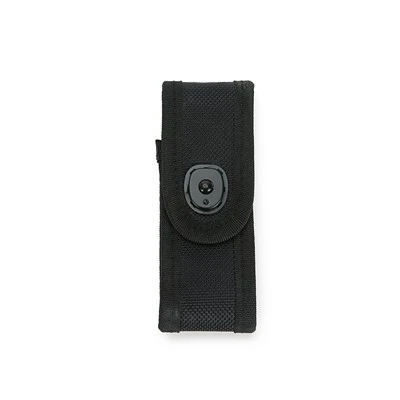
If you’re a tactical gear user—whether you’re a hobbyist, a team leader, a first responder, or anyone who relies on their vest—following these simple steps will make your vest last way longer, work better when you need it, and save you money in the long run. And if you’re in the market for a new tactical vest, or you need to replace a damaged one, we’ve got a full line of plate carriers, chest rigs, and all the gear you need. If you have questions about storage, or want to chat about what type of vest works best for your needs, feel free to reach out—we’re here to help, no sales pitch, just real advice from people who use this gear every day.
Duty Pouch References:
- Tactical Gear Industry Storage Best Practices, 2022
- Closed-Cell Foam Durability Testing, Outdoor Gear Lab, 2021
- Ballistic Fiber Degradation from Folding, Journal of Protective Materials, 2020
- Nylon Webbing Stretching Under Load, Military Gear Testing Association, 2021
Quanzhou Jinbei Bags Co., Ltd.
As one of the most professional tactical vest manufacturers and suppliers in China, we have world-leading production equipment and strong manufacturing capabilities. Please feel free to buy bulk high quality tactical vest for sale here from our factory. Customized orders are welcome.
Address: 302, NO. 158-17, EAST DISTRICT, TANDING, HESHI, LUOJIANG , QUANZHOU, FUJIAN, CHINA
E-mail: jinbeibags@126.com
WebSite: https://www.jinbeibags.com/
