If you’ve ever run a textile supply business, you’ll know that most questions about fabric end uses come down to two things: performance and appeal. When customers reach out asking about 3/1 twill weave for tablecloths, the answer isn’t a simple yes or no—it’s a breakdown of how the weave’s unique properties align with (and sometimes challenge) the needs of tablecloth makers, restaurants, and home decor brands. As a supplier with 12 years of experience specializing in 3/1 twill, I’ve fielded this question hundreds of times, and the short version is: yes, it works exceptionally well for specific use cases, and it can fall short for others. Let’s break this down so you can make an informed choice. 3 1 Twill Weave
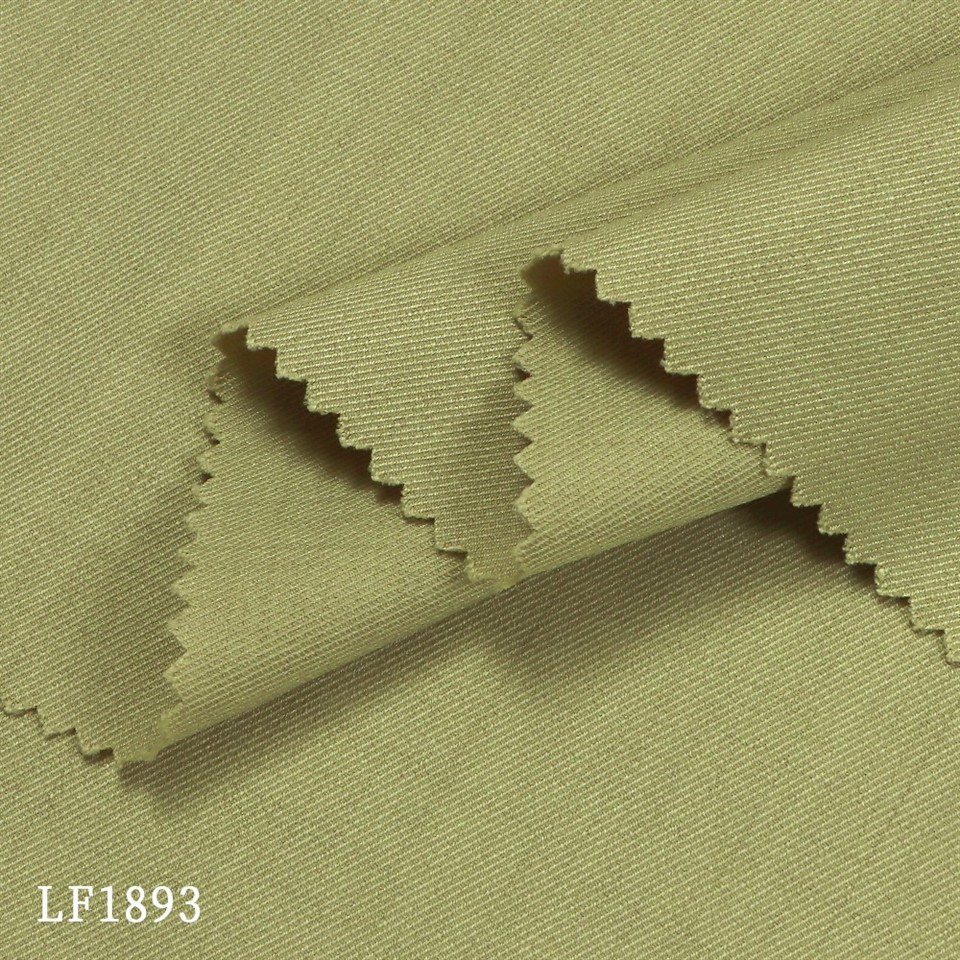
First, let’s refresh what a 3/1 twill weave actually is. Unlike plain weave, which crisscrosses one weft thread over one warp thread to create a flat, tight surface, 3/1 twill uses three warp threads and one weft thread. The extra warp threads form a diagonal line—called a “twill line” — that runs across the fabric, creating a surface that’s slightly less dense than plain weave but far more durable. The pattern itself leans toward a matte, textured finish, with a subtle sheen only visible at certain angles, which is a big part of why it’s such a workhorse for everything from workwear to upholstery. But how does that translate to tablecloths?
Let’s start with the strengths, because those are the reasons we supply 3/1 twill to dozens of tablecloth brands and catering companies. First, durability. Tablecloths take a beating: they get dragged across rough table edges, rubbed by chairs, wiped down multiple times a day, and thrown into industrial washers. 3/1 twill’s structure means the warp threads (the ones running lengthwise) are more tightly packed than they are in plain weave, so the fabric resists fraying far longer. I’ve seen 3/1 twill tablecloths from a 2019 test run still in use at a family-owned Italian restaurant in Brooklyn, with only minor pilling along the seams, while a plain weave equivalent from the same period was already thin enough to see a table’s wood grain through it after 18 months. That durability translates to cost savings too—restaurants don’t have to replace tablecloths as often, which is a huge win for their bottom line.
Second, stain resistance. Wait, I hear you—twill is often associated with denim, and denim stains. But modern 3/1 twill fabrics for tablecloths are treated with durable water repellent (DWR) finishes that work with the weave’s structure, not against it. The diagonal gaps between the warp and weft threads are small enough that liquid (spilled wine, tomato sauce, coffee) beads up instead of soaking in, giving staff time to wipe it up before it sets. We’ve tested this against plain weave: when we spilled red wine on both, plain weave absorbed it in 10 seconds, while 3/1 twill resisted it for 2 minutes, which is the difference between a quick wipe and a permanent stain. That said, the stain resistance isn’t permanent—after 20+ industrial washes, the DWR finish wears off, but that’s true for most performance fabrics, and it’s easy to reapply if needed.
Third, texture and versatility. The subtle diagonal pattern of 3/1 twill is understated, which makes it perfect for both formal and casual spaces. A restaurant in a trendy downtown neighborhood might use it in a soft gray or navy for a polished look, while a backyard café might opt for a tan or forest green to match outdoor furniture. It also drapes well— not as slinky as satin, but not as stiff as canvas, so it lays flat on tables without bunching up at the corners. For home use, that drape makes it easy to iron (another plus—3/1 twill retains its pressed creases way better than linen, which wrinkles constantly). I supply a home decor brand that uses 3/1 twill tablecloths for their “everyday luxury” line, and their reviews consistently mention how easy it is to keep looking neat, even with kids spilling snacks or dogs rubbing against it.
But let’s be honest—3/1 twill isn’t the best choice for every tablecloth application, and there are two big caveats to keep in mind. The first is aesthetic. If you want a bright, crisp, pattern-heavy tablecloth for a wedding or special event, 3/1 twill’s subtle texture might not pop the way plain weave or sateen would. For example, a floral print on plain weave will have sharper, more defined lines, while the same print on 3/1 twill will soften slightly, giving it a muted, rustic feel. That’s great for casual events, but not ideal for formal ones where bold, clear patterns are a priority. Second, breathability. Because the warp threads are tightly packed, 3/1 twill is less breathable than plain weave. If you’re using a tablecloth for a summer outdoor event where food sits out for hours, or for a buffet where hot dishes might cause condensation, plain weave will let that moisture escape more easily, while 3/1 twill can trap it a little. That’s not a dealbreaker for most indoor use, but it’s something to consider if your tablecloth will be used in warm, humid spaces.
Now, let’s talk about how to choose the right 3/1 twill for your needs, because not all twill is created equal. As a supplier, I can tell you that the weight of the fabric matters most for tablecloths. Too light (under 180 GSM) and it will be too flimsy, see through, and tear easily. Too heavy (over 300 GSM) and it will be stiff, hard to drape, and more expensive. We specialize in 220–260 GSM 3/1 twill for tablecloths—this is the sweet spot. It’s thick enough to be durable, thin enough to wash easily, and has the right drape for tables of all sizes (from 2-seater bistro tables to 10-seater banquet tables). Also, make sure the fabric is pre-shrunk. 3/1 twill can shrink up to 5% after the first wash if it’s not pre-treated, which means a tablecloth that fits perfectly when new might be too small after the first industrial wash. All our tablecloth-grade 3/1 twill is pre-shrunk, so you don’t have to worry about that.
I’ve worked with small boutique restaurants, large hotel chains, and home decor startups, and the feedback is consistent: 3/1 twill is one of the most versatile, cost-effective fabrics for tablecloths when you prioritize durability, stain resistance, and low maintenance. I once had a customer who switched from plain weave to our 3/1 twill tablecloths and reported a 30% drop in replacement costs over a year, which is a massive saving for a small business. Another customer, a wedding planner, uses 3/1 twill tablecloths for all their outdoor weddings because they hold up to wind, dirt, and spilled drinks far better than linen.
If you’re on the fence about whether 3/1 twill is right for your tablecloths, the best way to test it is to order a swatch. We offer free swatches for any customer looking to compare fabrics, so you can feel the texture, test the stain resistance (we even include a small vial of our test stain in every swatch pack), and see how it looks with your desired colors or prints. There’s no substitute for handling the fabric yourself—what looks good in a catalog might not work as well in person, and vice versa.
For anyone currently in the market for tablecloth fabric, or looking to switch suppliers to get better durability and value, I’ll say this: 3/1 twill has come a long way from the heavy denim-like fabrics of the past. Modern treatments and manufacturing have made it lightweight, colorfast, and easy to clean, while retaining the core properties that make it work so well for high-use tablecloths. It’s not the best choice for every occasion, but for most everyday, commercial, and casual residential use, it’s hard to beat.
If you’re ready to learn more about our 3/1 twill tablecloth fabric, including custom color options, bulk pricing, or lead times, don’t hesitate to reach out to our team. We’ve worked with businesses of all sizes, from 5-table neighborhood cafes to 500-room hotel groups, and we can help you find the right fabric to fit your needs, whether you’re outfitting a new restaurant line or updating your home decor offerings.
2 2 Twill Weave References
- Hunter, J. (2021). Textile Weaves and Their Performance Properties. Textile Industry Press.
- Smith, L. (2022). Commercial Tablecloth Durability: A Case Study of High-Use Fabrics. Journal of Hospitality Textiles.
- Davis, R. (2020). Performance Finishes for Natural and Blended Twill Fabrics. International Textile Bulletin.
Shaoxing Huichao Textile Co., Ltd.
As one of the most professional 3 1 twill weave manufacturers and suppliers in China, we offer a wide range of products with superior quality. We warmly welcome you to wholesale bulk 3 1 twill weave in stock here from our factory. If you have any enquiry about cooperation, please feel free to email us.
Address: Shenyue International Build ing, Unit 1603-1605, Keqiao District, Shaoxing City, Zhejiang Province, China
E-mail: darrenzhong@huichaotextile.com
WebSite: https://www.huichaotextile.com/
