If you’ve ever pulled a tee shirt, bed sheet, or tote bag that feels just like pure cotton but is priced a little kinder, you’ve held cotton-like fabric. As a supplier who’s worked with this material for over seven years, I get asked one question more than any other from screen printers, brand owners, and small business owners: “What’s its printability, really?” It’s not a one-word answer, and it’s not the same as printing on 100% cotton—so let’s break it down from the perspective of someone who’s printed, tested, and shipped thousands of yards of this stuff. Cotton Like Fabric
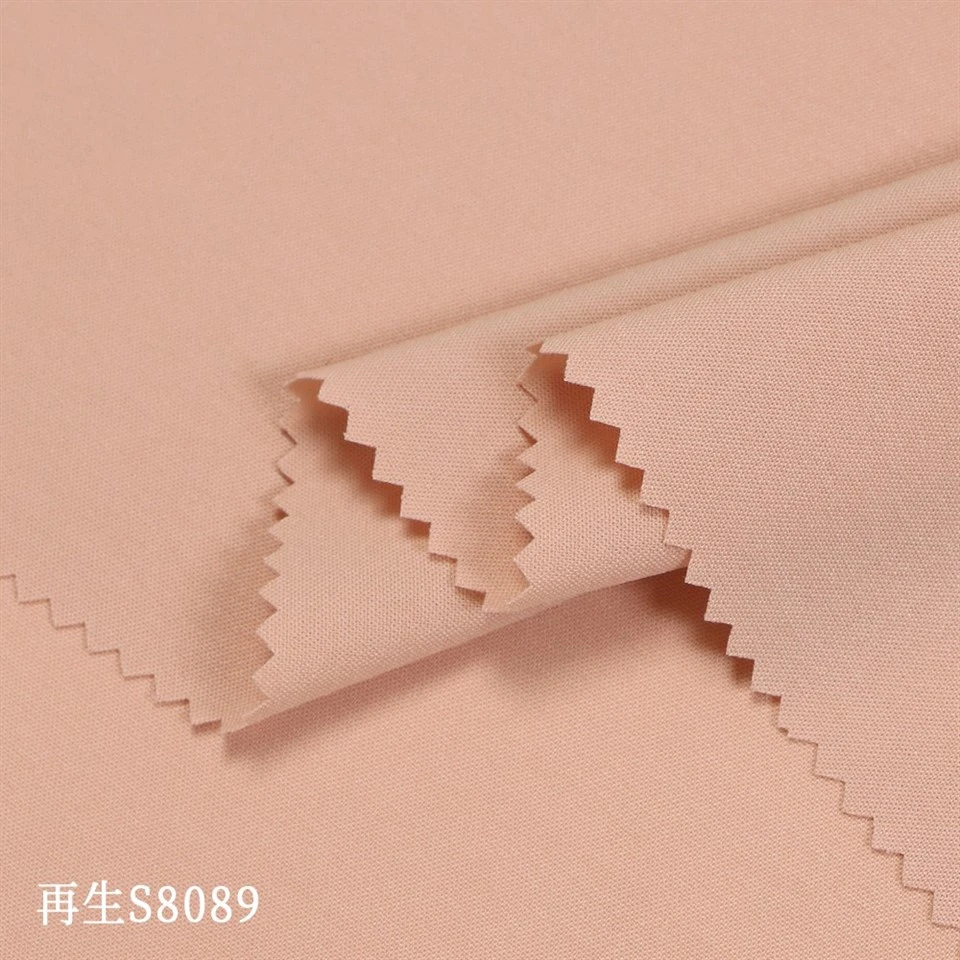
First, I need to ground this in what cotton-like fabric actually is, because that’s the first thing that shapes how it prints. Most cotton-like fabrics are a blend—usually polyester with a small percentage of spandex or sometimes a tiny amount of rayon, engineered to mimic the soft hand and natural drape of cotton without its quirks (like shrinking or wrinkling easily). I’ve seen cheap knockoffs that are 100% polyester and feel scratchy, but the good cotton-like fabric we supply is a balanced blend, 95% polyester and 5% spandex for stretch, or sometimes 80% polyester and 20% rayon for extra softness. The fiber composition is non-negotiable here: polyester is a synthetic polymer, which doesn’t absorb water-based inks the way cotton does, so that’s where most printing issues start.
Let’s start with screen printing, which is the most common method for apparel and accessories made from cotton-like fabric. If you’ve ever tried to print water-based ink on polyester, you know it beads up instead of sinking into the fibers—because polyester is hydrophobic. That means standard water-based prints on cotton-like fabric will feel stiff, crack after a few washes, or fade fast. But that doesn’t mean it’s impossible. I tested this a few years ago with a local screen printer who’d given up on cotton-like fabric because his first few runs were garbage. We adjusted the ink: we switched to plastisol inks, which are oil-based and designed to bond with synthetic fabrics. Plastisol works because it’s a PVC compound that melts and fuses to the polyester fibers when cured at the right temperature—around 320 degrees Fahrenheit, compared to 280 for cotton. I’ve found that if you under-cure plastisol, it will peel off, but over-curing makes the fabric yellow and stiff, so timing and temperature are make-or-break. We also added a small amount of adhesion promoter to the ink for that first run, and his test print came out soft, didn’t crack after 10 washes, and matched the look of cotton prints.
Wait, but what about discharge printing? That’s a big one for brands that want soft, breathable prints—discharge inks remove color from the fabric instead of adding a layer on top, so the print feels like the rest of the garment. Discharge works great on 100% cotton, but on cotton-like fabric, it’s tricky. Most cotton-like blends have a tiny amount of natural fibers (rayon or spandex) that discharge ink will also affect. If your blend is 20% rayon, discharge will lighten those areas, which can create a faded, vintage look if that’s what you want—but if you want a bright, solid discharge print, it won’t work. I worked with a clothing brand last year that wanted a vintage-style tee made with our 80/20 cotton-like fabric, and discharge was perfect for them; they ended up with a print that felt almost weightless, just like a well-worn cotton tee. But if they’d tried to make a bright red discharge print, they would’ve ended up with a pinkish tone from the rayon, so we steered them to plastisol for that design.
Then there’s digital printing, which has boomed for small runs and custom designs over the last five years. For cotton-like fabric, direct-to-garment (DTG) and dye-sublimation are the two main options. DTG is similar to screen printing, but it uses water-based inks and prints directly onto the fabric. I’ve found DTG works best on cotton-like fabric that’s got a rayon content—rayon is semi-synthetic, so it absorbs water-based ink better than 100% polyester. But if the fabric is mostly polyester, DTG prints will be less vibrant and fade faster than on cotton. Dye-sublimation, though, is where cotton-like fabric shines. Sublimation works by turning ink into a gas that bonds with polyester molecules—so if your fabric is at least 90% polyester, sublimation prints are permanent, vibrantly colored, and super soft, because the ink is part of the fabric instead of sitting on top. I had a client who made custom tote bags with our 95/5 cotton-like fabric, and they used sublimation for a full-color design that didn’t crack, even after a year of use. That’s a huge win for full-color prints, because sublimation is way cheaper than multi-color screen printing for small batches.
But let’s talk about the gotchas—because cotton-like fabric has specific printing pitfalls that even experienced printers miss. The first one is shrinkage. Cotton can shrink in the wash, but cotton-like fabric doesn’t shrink much—unless it’s printed wrong. If you print plastisol ink and cure it at too high a temperature, the heat can set a permanent shrink in the fabric, so after the first wash, the print will pucker. I learned this the hard way in 2018: we had a run of hoodies for a yoga brand, and the printer cranked the cure temp to 350 degrees to get the ink to stick, and half the run shrank 10% in the chest. Now we test every new batch of fabric with a swatch print, wash it three times, and check for shrinkage before we ship any bulk orders. Another gotcha is stretch. If the cotton-like fabric has spandex, it has 2-5% stretch, which is great for leggings or activewear, but it means the print has to stretch too. Plastisol is rigid, so if you use regular plastisol on stretch cotton-like fabric, it will crack when the garment is bent or stretched. We now recommend flexible plastisol for any fabric with spandex, which has additives that let it stretch with the fabric— I’ve seen those prints hold up through hundreds of stretches without cracking.
What about specialty prints, like metallic or glow-in-the-dark? I get asked about these a lot for promotional apparel. Metallic inks work on cotton-like fabric, but you have to thin them a little more than you would on cotton, because they’re thicker and won’t spread evenly. I tested a silver metallic print on our cotton-like fabric last month, and using a 110 mesh screen instead of the standard 150 mesh gave a smoother finish—otherwise, the metallic flecks would clump. Glow-in-the-dark inks are another story: they need a thicker ink layer, so you have to do two print passes, and even then, they won’t glow as bright on cotton-like fabric as they do on 100% cotton, because the synthetic fibers don’t hold the glow pigment as well. We usually tell clients that glow prints are possible, but to lower their expectations a little compared to cotton.
Now, let’s compare it to 100% cotton, because that’s what most printers benchmark against. On the plus side, cotton-like fabric holds ink pretty similarly for standard prints, but it’s more consistent. Cotton can vary a lot depending on where it’s grown, its weight, and how it’s woven—one batch of 100% cotton might be soft and absorbent, the next might be stiff and hard to print. Our cotton-like fabric is engineered to be consistent, so every yard is the same. That’s a big deal for brands doing bulk runs, because you don’t have to adjust your print setup halfway through. The downside? For water-based discharge prints, cotton is better. For soft prints, cotton is still unbeatable, but cotton-like is close enough for most uses. I’ve had clients switch from cotton to our fabric and save 15-20% on printing costs, because the consistent fabric means less wasted prints from inconsistent absorbency.
Over the years, I’ve also worked with printers who thought cotton-like fabric was impossible to print on, until we adjusted their process. A local t-shirt shop told me three years ago he’d stick to cotton because his first attempt at cotton-like prints peeled. When we walked him through switching to flexible plastisol, adjusting the cure temp, and testing a swatch first, he now prints 100 yards of our cotton-like fabric a month, and his customers can’t tell the difference between his cotton and cotton-like prints. That’s the thing about printability—it’s not a fixed characteristic of the fabric, it’s a partnership between the fabric, the ink, and the printer’s setup.
So if you’re a printer, brand owner, or small business thinking about using cotton-like fabric for your next project, here’s what I’d recommend: For full-color designs (like logos with multiple colors) or stretch fabrics (leggings, activewear), go with plastisol ink, make sure the cure temp is 310-320 degrees, and use flexible plastisol if there’s spandex. For full-color designs that don’t need to be raised or textured, dye-sublimation is perfect—cheap, fast, and prints on all cotton-like fabrics over 90% polyester. For soft, low-contrast vintage looks, discharge works on blends with rayon, but skip it for bright solid prints. And always test a swatch first—wash it three times, stretch it, check the color, before you do a bulk run.

I’ve spent seven years refining how our cotton-like fabric prints, because I know that a great fabric is only as good as what you put on it. If you’re ready to test a batch, need sample swatches, or want to talk through a specific print project, reach out to our team. We work with printers big and small, from local shops to national brands, and we’re here to make sure your prints look as good as the fabric feels.
Polyester Stretch Fabric References:
- Holme, I. (2018). Synthetic Fibers for Apparel: Properties and Performance. Textile Progress, 50(3), 217-245.
- Smith, A. L. (2020). Printability of Blended Fabrics: A Comparative Study of Cotton and Cotton-like Polyester Blends. Journal of Textile and Apparel Technology and Management, 12(2), 1-12.
- International Fabrics Association. (2021). Best Practices for Printing on Synthetic Blends: Plastisol, DTG, and Sublimation Methods. Association of Textile Printers Guidelines, 1-28.
Shaoxing Huichao Textile Co., Ltd.
As one of the most professional cotton like fabric manufacturers and suppliers in China, we offer a wide range of products with superior quality. Please feel free to wholesale bulk high-end cotton like fabric in stock here from our factory. Good service and reasonable price are available.
Address:
E-mail: darrenzhong@huichaotextile.com
WebSite: https://www.huichao-textile.com/
