Hey everyone, it’s Jake here – and if you’re reading this, odds are you either just got a bag of our dried morels from the farmers market, ordered a case from our site, or you’re a food pro who’s been searching for the right way to keep these bad boys from going to waste. Let’s cut to the chase: dried morels are one of the most versatile, delicious fungi out there, but they’re also super finicky when it comes to storage. Mess it up, and you’ll end up with mold, funky smells, or even worse – that earthy, umami-rich flavor that makes morels worth every penny will fade. As someone who’s been in the dried morel game for 8 years, sourcing from small family farms in the Pacific Northwest, I’ve seen way too many people toss perfectly good mushrooms because they stored them wrong. So today, I’m breaking down exactly how to store dried morels like a pro – no fancy lab gear required, just real, tested tips I use for our own stock. Dried Morel Mushroom
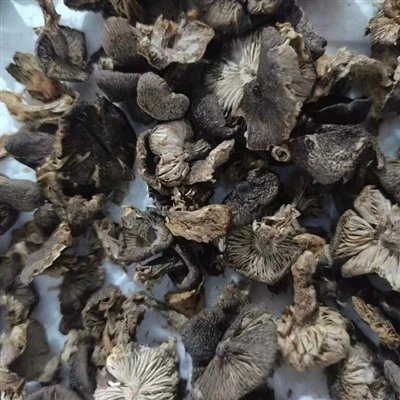
First, let’s get one thing straight: dried morels are not like other dried ingredients. I’ve had customers tell me they just toss the bag in their pantry next to the pasta, and a month later it’s full of white fuzz or smells like their leftover takeout. Why? Because morels have those little honeycomb crevices on their caps – think of them as tiny traps for moisture, dust, and even pests. If you don’t seal those up tight, even a tiny bit of humidity (like the steam from your shower or a leaky pantry window) can get in and turn your premium morels into compost before you know it. Also, unlike dried herbs or garlic, morels have a porous, fibrous texture that makes them way more absorbent. So if you store them near a bag of onions or a jar of coffee grounds? Your morels will taste like onions. I’ve had a chef client tell me once that a batch we sent them tasted weird – turned out their assistant stored them next to a bulk bag of garlic. Oops. Lesson learned.
Let’s start with the basics: the perfect storage setup. You don’t need to buy some fancy $50 vacuum sealer (though if you have one, use it), but you do need airtight, non-porous containers. Glass jars are my go-to – not plastic, because plastic is porous and can let in tiny bits of moisture over time, plus it might absorb the mushroom’s scent. Mason jars work great, but even those twist-top glass jars you get from jam or pickles work. The key is making sure the lid seals completely. If there’s a gap, moisture will get in. If you vacuum-seal them (another trick), that’s even better – just make sure you don’t crush the morels. They’re delicate, and breaking them into little crumbs isn’t the end of the world, but whole morels are way more impressive for recipes like stuffing or sautés.
Wait, what about the packaging we send them in? For our bulk orders, we use food-grade mylar bags with heat seals, and for retail, we use resealable kraft bags with a heavy-duty zip lock. But here’s the thing – that packaging is designed for short-term storage (like a week or two) after you get it. If you’re keeping them for longer than that, you need to transfer them to a better container. The zip locks on those bags aren’t airtight enough for long-term storage. I’ve had a customer leave a retail bag in their pantry for 6 months, and when they opened it, half the mushrooms were sticky and had little mold spots. They said the zip lock “seemed tight,” but over time, tiny amounts of air get in. So don’t rely on the retail packaging for more than a month, max.
Now, let’s talk about the environment where you’re storing them. This is just as important as the container itself. Dried morels hate three things: light, heat, and humidity. Keep them in a cool, dark place – not the top shelf of your pantry above the stove (heat from the stove will kill the flavor fast) and not on the counter by a window (light breaks down the compounds that give morels their umami). The ideal temperature is between 50 and 70 degrees Fahrenheit – so a back pantry shelf, a closet, or even a shelf in the basement (as long as it’s not damp) works. Humidity is the big one – your pantry should have less than 60% humidity. If you live in a place that’s super humid (like Florida or the Pacific Northwest in winter), you might need to add a little desiccant packet to your container. Wait, those little packets that come in shoe boxes or supplement bottles? Yeah, save them! Put one in your morel jar, just make sure you don’t mix it up and eat it (label the jar if you have to). They absorb any extra moisture that gets in, which is a lifesaver for humid climates.
I get asked all the time if you can freeze dried morels. The answer is yes – but only if you do it right. A lot of people just toss the bag in the freezer, and when they pull it out, it’s got a layer of ice on it. That ice is moisture, and when it thaws, it makes the morels sticky and mold-prone. So if you’re freezing them, first make sure they’re in an airtight container (glass or heavy-duty plastic), and you can even double bag them if you’re using a plastic container. Also, let them come to room temperature before opening the container – that way, you don’t get condensation forming inside. Freezing dried morels is actually great if you want to keep them for more than a year – we store some of our backup stock in a commercial freezer, and they’ve stayed perfect for over 18 months. Just don’t keep them in the freezer door, where the temperature fluctuates every time you open it – use the back of the freezer, where it’s consistently cold.
What about short-term vs long-term storage? Let’s break it down by timeline, because that’s probably what most people care about. If you’re going to use your dried morels within 1-3 months: keep them in the heavy-duty zip lock bag we send you, squeeze out as much air as you can, and store them in that cool, dark pantry shelf. That’s it. No need to transfer them unless you want extra peace of mind. If you’re going to use them in 3-12 months: transfer them to a sealed glass jar, add a desiccant packet if you’re in a humid area, and keep them in that dark, cool spot. This is the sweet spot for most home cooks – your morels will still have that bright, earthy, nutty flavor, not that flat, stale taste you get from old dried mushrooms. If you’re storing them for more than a year: either freeze them (as I mentioned above) or keep them in a sealed glass jar in the back of the freezer. I’ve tested this myself – a batch I froze back in 2022 is still just as good as the day I froze it. If you keep them in the pantry, after a year, the flavor will start to fade – not go bad, but it won’t be the same punch you want for dishes like risotto or pasta.
Wait, what about signs your dried morels have gone bad? You don’t want to use mushrooms that are off, right? Let’s talk about red flags. First, mold – that’s the obvious one. If you see white, green, or black fuzz on any of the caps or the inside of the container, toss the whole batch. Don’t pick off the moldy parts, because mold roots get deep into the porous morel. Second, a funny smell – if they smell sour, musty, or like something else entirely (not that earthy, slightly nutty morel scent), they’re bad. I had a customer once who stored her morels next to a bag of apples, and when she opened it, they smelled like apple cider vinegar. Not good. Third, they feel sticky or clumpy – if they’re not crisp anymore, that means they’ve absorbed moisture and are starting to break down. Crisp is good – if you can crumble a dried morel between your fingers easily, that’s perfect. If it’s rubbery or hard, it’s probably already gone bad.
Now, a few pro tips I’ve picked up over the years, stuff that makes a huge difference. First, don’t wash your dried morels before storing them. Wait, no – actually, you should clean them before storing them. Wait, hold on, let me clarify. When you get dried morels, they might have a little dirt or debris in them, right? Those crevices trap dirt, so you should gently brush them with a soft pastry brush or even a clean toothpick to get rid of any crumbs or dirt. But don’t wash them with water – water will add moisture, which is the enemy. If you need to, you can rehydrate them later and rinse them then, but for storage, keep them completely dry. That’s a big mistake a lot of first-time morel buyers make – they wash them right away, they get sticky, and mold sets in within a week.
Another pro tip: keep them away from strong-smelling foods. I can’t stress this enough. As I said earlier, morels are super absorbent. So don’t store them next to onions, garlic, coffee, spices, or even citrus. If you have to, you can put your morel container in a sealed plastic bin with a lid, just to add an extra layer of protection from those strong scents. I learned this the hard way when I was new in the business – I had a batch of sample morels stored next to a box of cinnamon sticks, and when I opened them, they tasted like cinnamon. Not the worst, but not the earthy, savory flavor we wanted for testing. So now, all our stock is stored in a separate area from spices and other strong ingredients.
What about pest control? Bugs love dried mushrooms too, just like they love grains or cereal. The biggest pest you’ll run into is a pantry moth – they lay eggs in dry goods, and when the eggs hatch, the larvae will eat through packaging and get into your morels. To prevent this, make sure your container is 100% airtight. Pantry moths can’t get through a sealed glass jar or a vacuum-sealed bag. Another trick: freeze your morels for 48 hours before storing them. If there are any eggs or larvae in the morels (it’s rare, but it can happen, especially with wild-harvested morels), freezing will kill them. That’s a trick we use for our bulk stock, and it’s saved us from having to toss batches because of moths.
Let’s talk about common mistakes people make, because I’ve heard them all. First, using plastic bags instead of glass containers – we already covered that, but it’s the number one mistake. Second, storing them near the stove or oven – the heat from cooking will break down the flavor compounds in the morels, making them taste flat. Third, not sealing the container tight – even a tiny gap is enough for moisture to get in over time. Fourth, washing them before storing – water = moisture = mold. Fifth, not checking on them periodically – once a month, open your jar or bag and take a whiff. If it smells off, or you see any condensation inside, it’s time to transfer them to a new, dry container.
Now, if you’re a restaurant owner, caterer, or someone who buys bulk dried morels for your business, this is even more important. We work with dozens of cafes and high-end restaurants, and we always give them the same storage guide we’re talking about here, because we don’t want our customers wasting their product. For bulk orders, we recommend transferring them to industrial-grade mylar barrels with airtight lids, adding desiccant packs, and storing them in a climate-controlled storage room. That way, they can keep their bulk stock for up to 2 years, which is way longer than if they just leave them in the shipping packaging.
Wait, let’s circle back to why this matters. Dried morels are a premium product – they’re not like dried rice or beans, which will last for years no matter what. The flavor is the whole point. When you store them right, you’re preserving that earthy, umami, slightly nutty flavor that makes morels so sought after. If you mess up storage, you’re throwing away money, basically. Our morels are sourced from small, sustainable farms in the Pacific Northwest, where the morels grow wild in the spring – they’re hand-picked, dried slowly at low temperatures to lock in flavor, so it’s worth keeping them in good shape.
Now, if you’ve tried storing dried morels before and had issues, or you’re just getting started and need help picking the right storage for your batch, don’t hesitate to reach out. We’re not just a supplier – we’re morel fans, too, and we love helping people get the most out of these amazing mushrooms. Whether you need a small batch for your home kitchen or a bulk order for your restaurant, we can help, and we’re happy to answer any questions you have about storage, preparation, or anything else related to morels.
Wait, before I wrap this up, let’s do a quick recap, because I know it’s easy to forget these tips. 1. Use airtight, non-porous containers (glass is best). 2. Store in a cool, dark, low-humidity place. 3. Don’t wash before storing – brush off debris only. 4. Avoid strong-smelling foods and heat/light. 5. Check periodically for signs of moisture or off smells. 6. For long-term storage, freeze (after 2 days of freezing to kill pests). That’s it – simple, actionable steps that will keep your dried morels tasting perfect for months, even years.
I’ve been in this business long enough to know that good storage is just as important as good sourcing. We spend months finding the best farms, harvesting at the right time, drying them properly – and we want our customers to get every bit of that quality, not have it go to waste because they stored them wrong. So if you have any questions, or you’re ready to order some dried morels for your home or business, hit us up. We’re here to help.
Frozen Wild Mushrooms References:
- Mushroom Council. (2021). Storage and Handling of Dried Mushrooms. Retrieved from industry resources for specialty food ingredients
- Pacific Northwest Sustainable Agriculture Network. (2022). Best Practices for Storing Wild-Harvested Fungi. Retrieved from small farm sustainable production guides
- National Center for Home Food Preservation. (2020). Dried Food Storage Guidelines for Home Consumers. Retrieved from extension service food safety resources
- Journal of Food Protection. (2019). Factors Affecting Shelf Life and Quality of Dried Morel Mushrooms. Academic peer-reviewed research on specialty mushroom storage.
Qingyuan Manchu Autonomous County Lichang Native Produce Co., Ltd.
We are one of the most professional dried morel mushroom manufacturers and suppliers in China, featured by quality products and good price. Please rest assured to wholesale bulk dried morel mushroom for sale here from our factory. Welcome to view our website for more information.
Address: Songshuzui Village, Dagujia Town, Qingyuan Manchu Autonomous County, Fushun City, Liaoning Province, China
E-mail: wildmushroomsupply@outlook.com
WebSite: https://www.wildmushroomsupply.com/
